Quick Answer
- Iguanas can be rewarding pets for experienced, committed keepers, but they are not good beginner reptiles for most people.
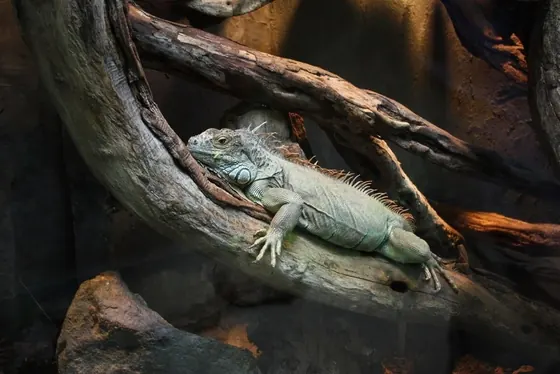
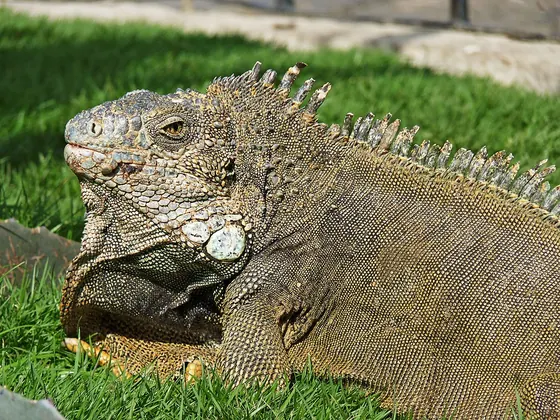
- Green iguanas commonly grow 4 to 6 feet long, can live for decades and need a room-sized or custom enclosure.
- They need strong UVB lighting, high heat and humidity, and a fresh plant diet every day.
- Adults, especially males, can be defensive, and bites, scratches and tail whips hurt.
- Like other reptiles, iguanas can carry Salmonella, so they are a poor choice for homes with young children.
The Short Answer
Iguanas are one of the most commonly bought pet lizards and also one of the most commonly surrendered. Many are bought as cheap, bright-green hatchlings by people who did not know how big, long-lived and demanding they become. Veterinary sources such as VCA Animal Hospitals and WebMD describe iguanas as high-maintenance pets that are best suited to experienced reptile keepers.
That does not mean iguanas are bad pets. A well-kept, well-socialized iguana can be calm, curious and impressive. The question is whether you can provide what it needs for its whole life.
Pros of Keeping an Iguana
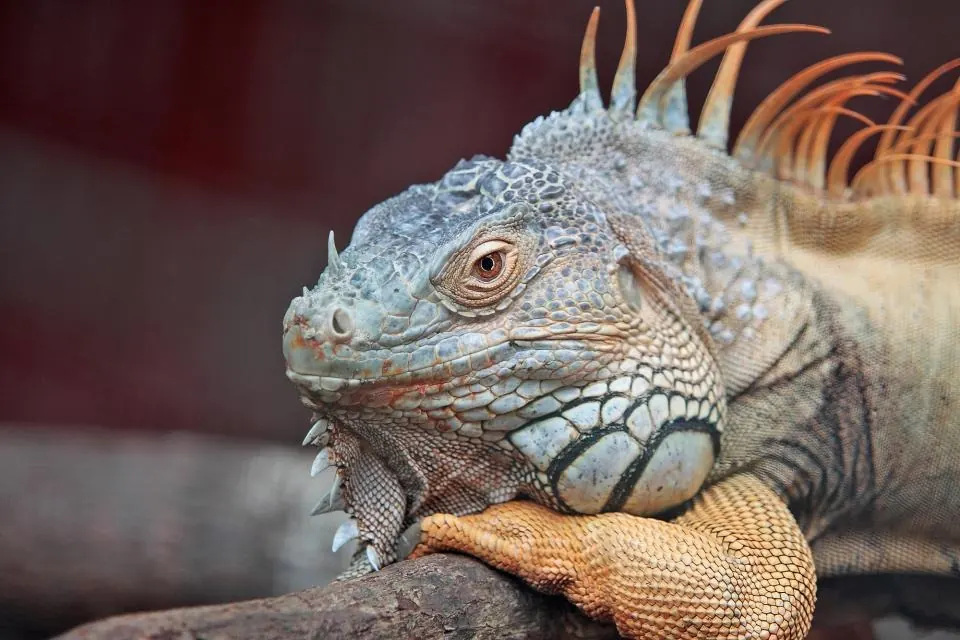
- Striking and fascinating: few pets look as dramatic as a full-grown iguana.
- Herbivorous diet: no live insects or frozen mice to store and feed.
- Can become tame: with patient, consistent handling, many iguanas tolerate or seem to enjoy time with their keeper.
- Quiet and odor-light: with daily cleaning, iguanas make little noise and little smell.
- Long companionship: for the right person, a long lifespan is a plus.
Cons of Keeping an Iguana
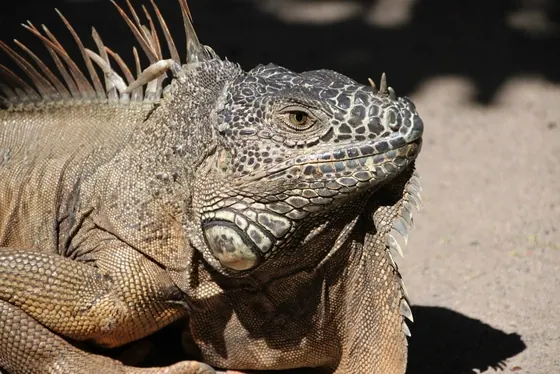
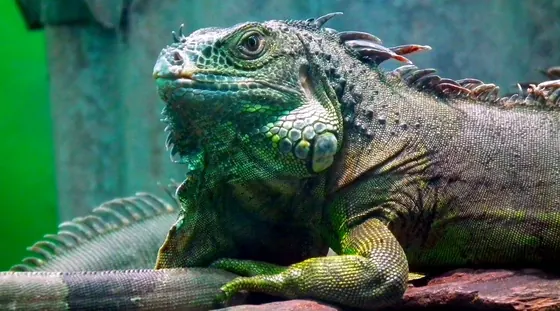
- Very large adult size: green iguanas commonly reach 4 to 6 feet including the tail. See how big iguanas get.
- Huge space needs: adults need custom enclosures or a converted room.
- Long lifespan: well-kept iguanas can live for many years, often well beyond a decade. See iguana lifespan.
- High setup and running costs: enclosure, UVB, heat and electricity add up. See our iguana cost guide.
- Daily food preparation: fresh, chopped salads every day or every other day.
- Defensive behavior: sharp claws, a powerful tail and a strong bite, especially from breeding-season males.
- Health risks to people: reptiles commonly carry Salmonella bacteria.
- Specialist vet care: not every vet treats reptiles, and exotic vet visits can be costly.
- Legal restrictions: some places restrict or prohibit keeping green iguanas, including Florida.
Pros and Cons at a Glance
| Factor | What to expect |
|---|---|
| Adult size | Commonly 4–6 feet including tail |
| Lifespan | Many years; often well over a decade with good care |
| Space | Adult enclosure roughly 6–12 feet long and 6+ feet tall |
| Diet | Fresh plant salads; no insects |
| Daily care time | Food prep, spot cleaning, temperature checks, handling |
| Temperament | Varies; can be calm with handling, but defensive behavior is common |
| Beginner-friendly? | Generally no |
| Good with young children? | Generally no, due to size, claws and Salmonella risk |
Iguana Temperament: What They Are Really Like
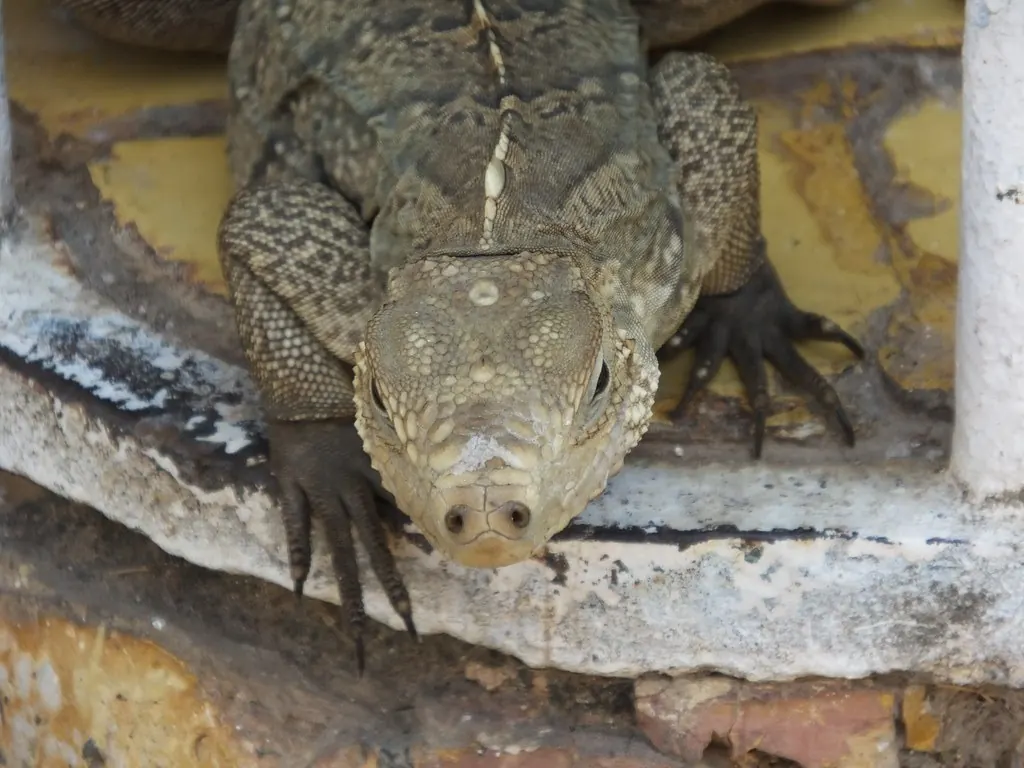
Iguanas are not cuddly by nature. A young iguana is usually nervous and flighty. With patient handling, many become calm and tolerant. Adult males often go through a breeding season each year when they can become territorial and aggressive, even toward owners they normally accept. Our guides on taming, body language and iguana bites explain what to expect.
Iguanas and Children
The CDC advises that children under 5 should not handle reptiles, and that households with young children consider not keeping reptiles at all, because reptiles commonly carry Salmonella without looking sick. A large iguana's claws and tail can also injure a child. Older children can help with care under supervision, with careful handwashing. Read our guide to iguanas and Salmonella.
Who Should Get an Iguana?
An iguana may be a good fit if you:
- Have space for a room-sized or very large custom enclosure
- Can budget for a large setup plus ongoing electricity, food and vet costs
- Are ready to care for it for many years, through moves and life changes
- Have time every day for food preparation, cleaning and handling
- Have a reptile veterinarian nearby
- Have no children under 5 at home
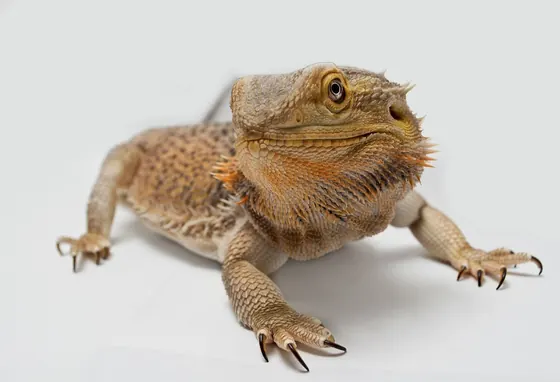
If several of these do not fit, a smaller lizard may suit you better. Bearded dragons, for example, are much smaller and generally easier to keep. Compare them in our iguana vs. bearded dragon guide.
Consider Adoption
Because so many iguanas are surrendered, reptile rescues often have adult iguanas needing homes. Adopting an adult lets you know its size and temperament in advance, and some come with equipment.
The Daily, Weekly and Yearly Commitment
Much of the work of keeping an iguana is routine. Before you buy, picture doing these tasks for many years, including on busy days and holidays:
| How often | Tasks |
|---|---|
| Daily | Prepare and serve a fresh chopped salad (adults can eat every other day), remove leftovers, change water, spot clean droppings, check temperatures and humidity, handle the iguana |
| Several times a week | Warm soaks or baths, misting, calcium dusting on the vet's schedule |
| Weekly | Disinfect dishes, shelves and floor; check equipment and thermostats |
| Monthly | Deep clean the enclosure; trim nails if needed; check weight and body condition |
| Yearly | Replace UVB tubes as the manufacturer recommends; wellness exam with a reptile vet; plan enclosure upgrades for growing iguanas |
You will also need someone who can do this when you are away. Many pet sitters and boarding kennels do not take large reptiles.
Why So Many Iguanas End Up in Rescues
Reptile rescues regularly take in adult green iguanas. The reasons are usually predictable:
- Unexpected size: owners did not plan for a 5- or 6-foot adult.
- Space and cost: the adult enclosure, lighting and heating cost far more than the iguana did.
- Temperament changes: a docile juvenile becomes a defensive adult, especially males during the breeding season.
- Health problems: metabolic bone disease and other husbandry-related illnesses that are costly to treat.
- Life changes: moving, new children or allergies over an iguana's long life.
Releasing an unwanted iguana outdoors is never an answer. It is illegal in many places, it is cruel in cold climates, and in warm areas such as South Florida released iguanas have become an invasive species. Contact a reptile rescue instead. Our Florida iguana guide explains the problems wild iguanas cause.
Questions to Ask Yourself Before Buying
- Where will a 6-foot adult iguana live, and do I have that space now or a plan for it?
- Can I afford an adult enclosure, UVB lighting, heating and a reptile vet, plus emergencies?
- Will I still want, and be able, to care for this animal in 10 or 15 years?
- Is there a veterinarian who treats reptiles within reasonable distance?
- Does anyone in my home have a higher risk from Salmonella, such as young children, older adults or people with weakened immune systems?
- Is it legal to keep a green iguana where I live, and does my lease allow it?
If the honest answer to any of these is no, waiting or choosing a smaller reptile is the kinder choice for both you and the animal.
Frequently Asked Questions
Are Iguanas Good Pets for Beginners?
Generally no. Their size, lifespan, lighting needs and temperament make them better suited to experienced reptile keepers.
Are Iguanas Friendly?
Some become very calm with patient handling, but iguanas are not naturally affectionate, and adult males can be aggressive during the breeding season.
Do Iguanas Like to Be Held?
Many tame iguanas tolerate handling well, and some seem relaxed on their keeper. Others never fully enjoy it. It depends on the individual and on consistent, gentle handling.
Are Iguanas Good Pets for Kids?
Not for young children. The CDC advises that children under 5 avoid handling reptiles because of Salmonella risk, and large iguanas can scratch and whip.
Sources: VCA Animal Hospitals, Iguanas: Owning; WebMD, Do Iguanas Make Good Pets?; CDC guidance on reptiles and Salmonella.