Quick Answer
- Yes, iguanas change color, but slowly and not for camouflage like a chameleon.
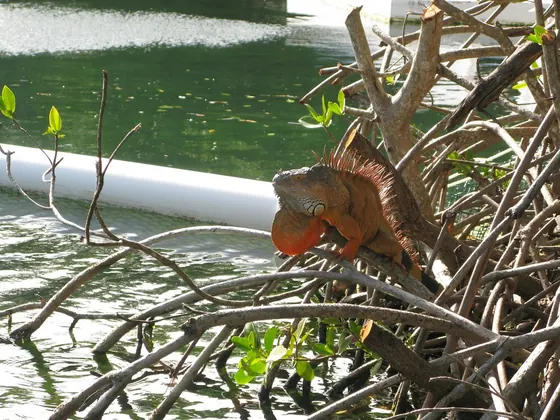
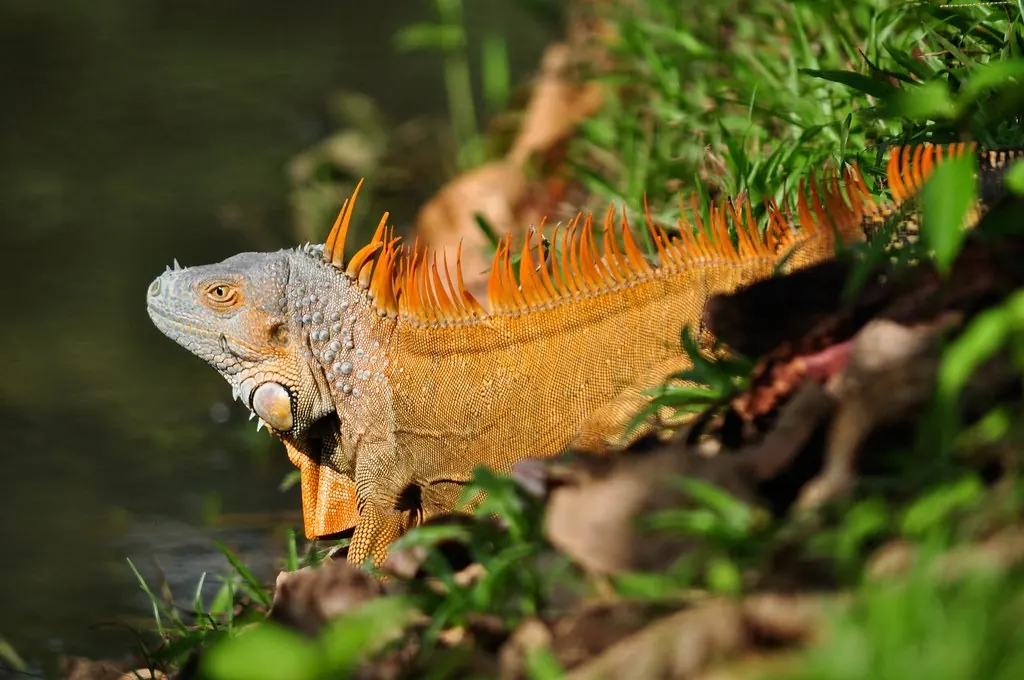
- Orange: adult male green iguanas often turn orange during the breeding season, which in South Florida usually runs from late fall into spring.
- Dark, brown or black: often a response to cold, stress or illness.
- Dull gray or white patches: usually shedding.
- Color morphs such as red, blue (axanthic) and albino iguanas are bred in captivity.
Do Iguanas Change Color?
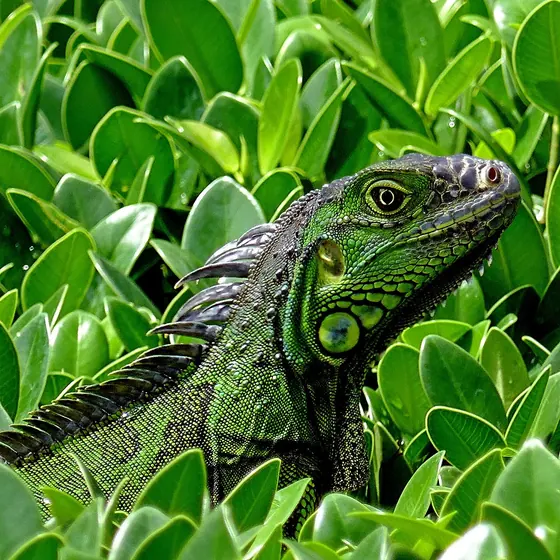
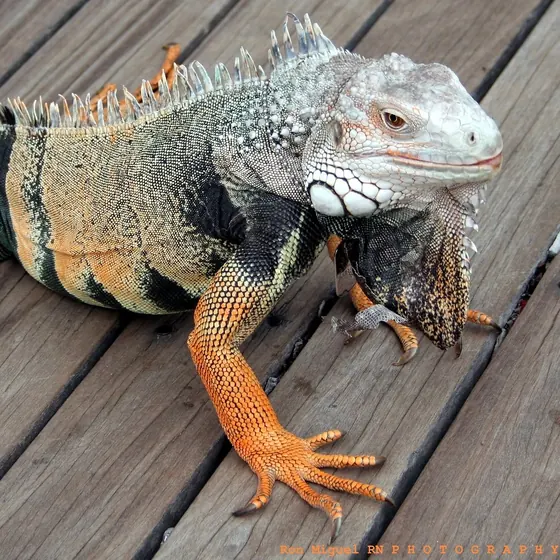
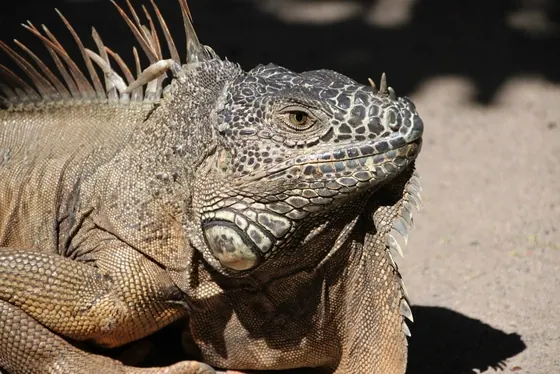
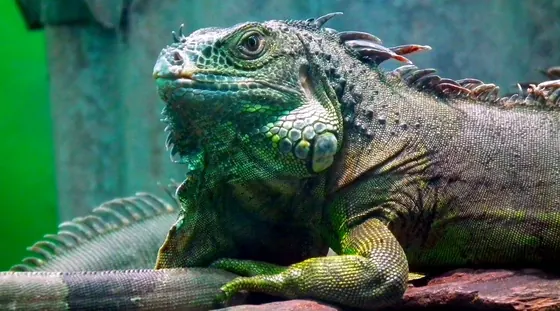
Iguanas do change color, but in a different way from chameleons. Their color shifts are mostly gradual and tied to age, temperature, mood, health, shedding and the breeding season. A green iguana can look bright green as a hatchling, olive or gray as an adult, darker on a cool morning and vivid orange during the breeding season.
Despite its name, the green iguana is often not green at all. The Florida Fish and Wildlife Conservation Commission notes that wild green iguanas can be green, brown or nearly black, and that adults may turn orange or pink at certain times of year.
What Iguana Colors Mean
| Color | Common causes | Concern? |
|---|---|---|
| Bright green | Normal for hatchlings and juveniles | No |
| Olive, gray or tan | Normal adult coloring; also when relaxed or warm | No |
| Orange or reddish | Breeding-season males; some regional populations and captive morphs | Usually no |
| Darker brown or black | Cold, stress, fear or illness; also used to absorb heat | Check temperatures and watch closely |
| Dull gray or whitish patches | Shedding | Usually no |
| Yellowish or pale overall | Can occur with stress, illness or poor husbandry | Check health |
| Black spots or patches that persist | Possible burns, infection or injury | See a vet |
Why Do Iguanas Turn Orange?
Each winter in South Florida, residents notice bright orange iguanas in trees and along canals. These are mostly adult male green iguanas in breeding condition. Hormonal changes during the breeding season, which in Florida typically begins in late fall and continues into early spring, intensify orange and reddish pigment. University of Florida wildlife ecologist Frank Mazzotti told The Palm Beach Post that females are attracted to the color and other males are intimidated by it.
Females can also become slightly more orange, but usually less dramatically. The color fades after the season ends. Read more about this period in our iguana breeding season guide.
Why Do Iguanas Turn Dark or Black?
Darkening helps an iguana absorb more heat, so iguanas often look darker on cool mornings and lighter once warm. Dark coloring can also signal stress or fear, such as after being handled, moved or confronted by another iguana. If a pet iguana stays dark for long periods even under a proper basking lamp, check enclosure temperatures and watch for other signs of illness.
Shedding and Color
Before and during a shed, iguana skin turns dull, gray or whitish in patches as the old layer loosens. Once it comes off, the new skin looks brighter. This is normal. See our iguana shedding guide.
How Color Changes with Age
Hatchling green iguanas are usually vivid green, sometimes with brown or blue tones and faint stripes. As they mature, many become duller green, gray, brown or orange-brown. Some keepers report young iguanas starting to turn orange-brown by around 18 months to 2 years old. Adult males often show the strongest colors.
Regional Color Variation
Green iguanas from different parts of their large native range can look quite different. Some populations, especially in parts of Central America, tend toward orange, red or darker colors, while others stay greener. Island populations in the Caribbean can also look distinctive.
Iguana Color Morphs
Breeders have produced captive-bred color morphs of the green iguana, including albino, blue (axanthic), red, hypomelanistic and combinations such as snow. They are the same species, need the same care and grow just as large. A pet "blue iguana" is usually an axanthic morph, not the endangered Grand Cayman blue iguana. See our full guide to iguana morphs.
Other Colorful Iguanas
- Marine iguanas: mostly black, but breeding males on some islands turn red and green.
- Grand Cayman blue iguana: turns vivid turquoise, especially males when displaying.
- Galápagos pink iguana: pinkish skin with dark bands.
- Fiji banded iguana: bright green with pale or bluish bands in males.
Frequently Asked Questions
Can Iguanas Change Color Like Chameleons?
Not in the same way. Iguanas change color more slowly, mainly with temperature, mood, health, shedding, age and the breeding season.
Why Is My Iguana Turning Black?
It may be cold, stressed or unwell. Check the basking temperature first. If it stays dark or shows other symptoms, see a reptile vet.
Why Are Iguanas Orange in Florida?
Most orange iguanas are breeding-season males. Hormones intensify orange coloring from late fall into spring.
Are Albino Iguanas Real?
Yes. Albino green iguanas are bred in captivity. They lack dark pigment and need the same care as other green iguanas.
Sources: Florida Fish and Wildlife Conservation Commission, Green Iguana; People via AOL, Why South Florida Iguanas Turn Orange; PangoVet, Do Iguanas Change Color?