Quick Answer
- Iguanas shed in patches, not in one piece like a snake.
- Young, fast-growing iguanas shed more often than adults, which may shed only a few times a year.
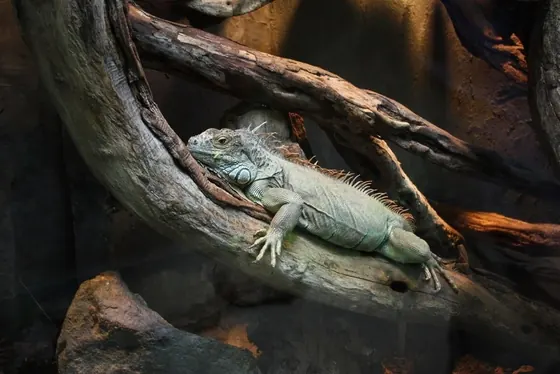
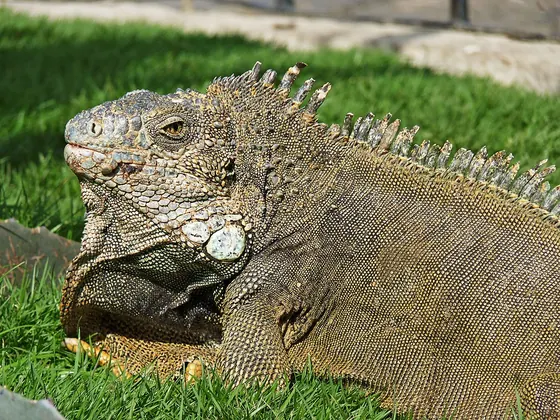
- Dull, grayish or whitish skin is normal before a shed. Some iguanas eat less and become grumpy.
- Humidity of about 70 percent or more, regular soaks and misting help most sheds come off naturally.
- Never pull off skin that is still attached. Stuck shed on toes, the tail tip or the spines can cut off blood flow, so get help if a soak does not loosen it.
How Iguana Shedding Works
Like all reptiles, iguanas regularly replace the outer layer of their skin. This process is called ecdysis. As new skin forms underneath, the old layer loosens, turns dull and lifts away. Shedding lets an iguana grow and replaces worn or damaged skin.
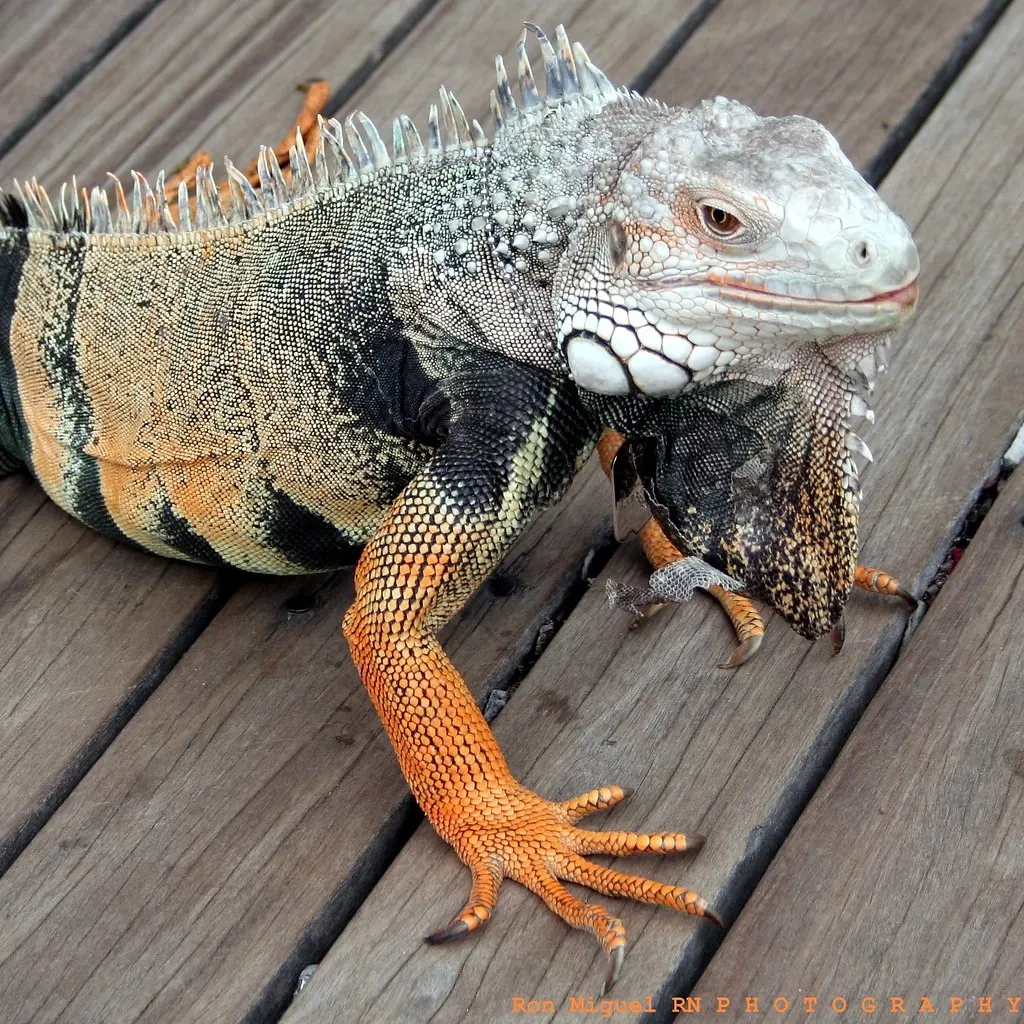
Snakes usually shed their whole skin in one piece, but iguanas shed in sections. A typical shed might start on the head or body and work around the legs, tail, toes and dorsal spines over days or weeks. Patchy, uneven shedding is completely normal for an iguana.
How Often Do Iguanas Shed?
Shedding frequency depends mainly on age and growth rate, along with diet, health and environment.
| Stage | Typical shedding pattern |
|---|---|
| Hatchlings and juveniles | Frequent; often every few weeks during rapid growth |
| Subadults | Less frequent as growth slows |
| Adults | A few times a year, often in patches spread over weeks |
These are general patterns, not fixed rules. Some iguanas seem to be in a near-constant partial shed. Sudden changes, such as a young iguana that stops shedding or an adult that sheds abnormally often, are worth mentioning to a reptile veterinarian, especially alongside other symptoms.
Signs an Iguana Is About to Shed
- Dull or faded color: skin looks gray, white or washed out, often in patches.
- Cloudy eye caps are less noticeable than in snakes, but the skin around the eyes may look dull.
- Rubbing: the iguana rubs against branches, rocks or decor to loosen skin.
- Puffing: some iguanas puff out their jowls or bob their heads to stretch skin.
- Reduced appetite: some iguanas eat less during a shed.
- Grumpiness: itchy skin can make an iguana more defensive and less tolerant of handling.
All of these are normal. Give your iguana extra space during a shed and avoid unnecessary handling.
What a Normal Shed Looks Like
In a normal shed, the old skin lifts and flakes away in pieces over a few days to a couple of weeks for each area. The new skin underneath looks bright, clean and smooth. Iguanas sometimes eat their shed skin, which is normal behavior.
A good shed depends on hydration and environment. Most shedding problems come from low humidity or a dehydrated iguana, not from a problem with the skin itself.
Stuck Shed: Where It Happens and Why It Matters
Stuck shed, called dysecdysis, is old skin that fails to come off. It commonly happens in these areas:
| Area | Risk |
|---|---|
| Toes | Rings of stuck skin can constrict toes and cut off circulation; toes can be lost |
| Tail tip | Constriction can damage the tip, leading to tissue death |
| Dorsal spines | Stuck skin can cause spines to look bent or damaged |
| Around the eyes and nostrils | Can irritate eyes or block nostrils |
| Femoral pores (undersides of the thighs) | Waxy plugs can build up, especially in males |
A dark, shrunken or swollen toe or tail tip beyond a ring of stuck skin is a warning sign of restricted blood flow and needs a veterinarian promptly.
Common Causes of Stuck Shed
- Humidity that is too low, often in heated homes during winter
- Dehydration from too little water or too few soaks
- Too few rough surfaces such as branches and rocks to rub against
- Poor nutrition
- Illness, parasites such as mites, or injury
- Temperatures that are too low for normal metabolism
How to Help an Iguana Shed
1. Check Humidity First
Green iguanas generally need about 70 percent relative humidity or higher. Measure it with a digital hygrometer. If it is low, add a large water container, mist more often or use a humidifier. Our temperature and humidity guide explains how.
2. Give Regular Warm Soaks
Soak your iguana in a tub of comfortably warm water, about 85–90°F (29–32°C), for about 15 to 30 minutes. The water should be shallow enough that it can stand with its head out. Never leave it unattended. Our guide on how to bathe an iguana covers safe water temperature and setup.
3. Mist the Iguana and Enclosure
Light misting with lukewarm water once or twice a day during a shed helps soften skin. Mist toward the body, not directly into the face.
4. Provide Rubbing Surfaces
Rough branches, cork bark and stones near the basking area give the iguana something to rub against to loosen skin.
5. Let It Come Off Naturally
Loose skin that lifts away with almost no resistance after a soak can be gently helped off. Skin that is still attached should be left alone. Pulling it can tear the new skin underneath and cause wounds.
Removing Stuck Shed from Toes and Tail Safely
For stubborn shed on toes or the tail tip:
- Soak the area in lukewarm water for 15 to 20 minutes.
- Gently rub the loosened skin with a soft, damp cloth or cotton swab, working from the base toward the tip.
- Stop if the skin resists or the iguana is distressed. Repeat the soak the next day.
- Check toes and the tail tip again after each shed.
See a reptile veterinarian if stuck skin will not loosen after a few days of soaking, if a toe or tail tip looks dark, swollen or dry, or if shed is stuck around the eyes. Do not cut or peel constricting skin yourself.
Shedding Problems That Need a Vet
Shedding issues are often a sign of an underlying problem. Contact a reptile vet if you notice:
- Repeated stuck shed despite good humidity
- Discolored, swollen or blackened toes or tail
- Open sores, blisters or red skin under the old shed
- Tiny moving dots on the skin or around the eyes, which can be mites
- Shedding along with weight loss, lethargy or poor appetite
Our guide to signs of a sick iguana lists other symptoms to watch for.
Shedding Myths
- "Iguanas should shed in one piece." No. Patchy shedding is normal.
- "You should peel off shed to help." Only skin that is already loose. Pulling attached skin causes injury.
- "Oils and lotions help skin come off." Most owners do not need them. Hydration, humidity and soaking solve most problems. Ask a vet before applying any product.
Shedding or Skin Problem? How to Tell
Not every change in an iguana's skin is a normal shed. This comparison can help you decide when to look closer:
| What you see | Likely cause | What to do |
|---|---|---|
| Dull, papery patches that lift at the edges | Normal shed | Keep humidity up and offer soaks |
| Tight rings of old skin on toes or the tail tip | Stuck shed | Soak and gently loosen; see a vet if it persists |
| Tiny red, black or orange moving dots, often near eyes, ears or skin folds | Mites | See a vet and treat the enclosure |
| Brown, black or blistered patches, often on the belly or back | Possible burn or infection | Check heat sources and see a vet |
| Raised, discolored or crusty scales that do not shed away | Possible skin infection | See a vet |
| Sunken eyes, wrinkled skin and repeated poor sheds | Dehydration | Increase soaks and humidity; see a vet if severe |
Femoral Pores and Shedding
Iguanas have a row of small pores, called femoral pores, along the undersides of their thighs. They produce a waxy secretion used in scent marking and are usually larger and more active in mature males, especially in the breeding season. Waxy plugs sometimes stick out of the pores. This is normal. If the pores look swollen, red or infected, see a reptile vet rather than squeezing or picking at them.
Seasonal and Age-Related Patterns
Many keepers notice that adult iguanas shed more in some months than others, often linked to growth spurts, changes in day length and the breeding season. Humidity in the home also changes with the seasons. Heating dries the air in winter, which is when stuck shed is most common, so check your hygrometer more often in cold months.
A juvenile that is growing quickly may look like it is always shedding somewhere. As growth slows, sheds become less frequent. A sudden change in shedding pattern alongside weight loss, lethargy or poor appetite is a reason to book a vet visit.
Shedding Prevention Checklist
- Humidity of about 70 percent or more, checked with a digital hygrometer
- A large water container the iguana can soak in
- Warm soaks a few times a week, more during sheds
- Rough branches and cork bark to rub against
- Correct basking temperature and UVB lighting
- A varied, calcium-rich plant diet
- Regular checks of toes, tail tip and spines after each shed
Frequently Asked Questions
How Long Does an Iguana Shed Last?
Each area usually sheds over a few days to a couple of weeks. Because iguanas shed in patches, a full-body shed can be spread out over several weeks.
Do Iguanas Eat Less When Shedding?
Some do. A slight drop in appetite during a shed is common, but an iguana that stops eating for more than about a week should see a vet.
Can I Pull Off My Iguana's Shedding Skin?
Only skin that is already loose and comes away without resistance. Pulling attached skin can tear the new skin underneath.
Why Is My Iguana Turning White or Gray?
Dull white or gray patches usually mean shedding is about to start. If the color change comes with lethargy or poor appetite, check temperatures and consider a vet visit.
How Do I Get Stuck Shed Off My Iguana's Toes?
Soak the feet in lukewarm water for 15 to 20 minutes, then gently rub with a soft damp cloth. If it does not come off after a few days, or the toe looks dark or swollen, see a vet.
Sources: Melissa Kaplan, Shedding; Lizards101, Iguana Grooming; PetMD, Green Iguana Care Sheet.