Quick Answer
- Iguanas are diurnal: active by day and asleep at night.
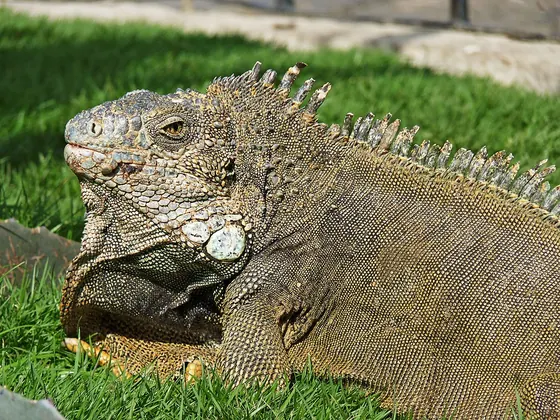
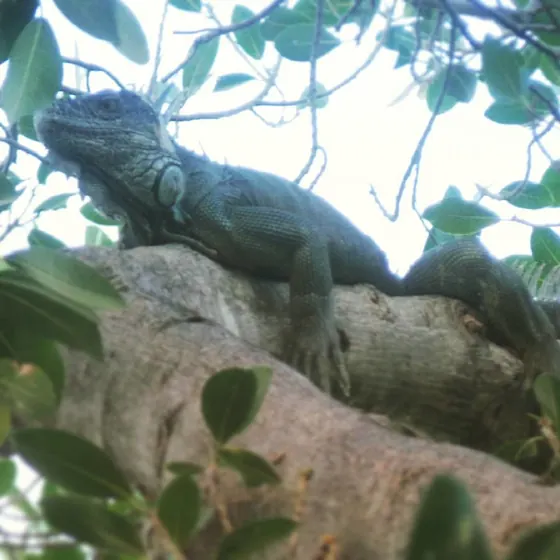
- Wild green iguanas usually sleep on branches, often over water; other iguanas sleep in burrows and rock crevices.
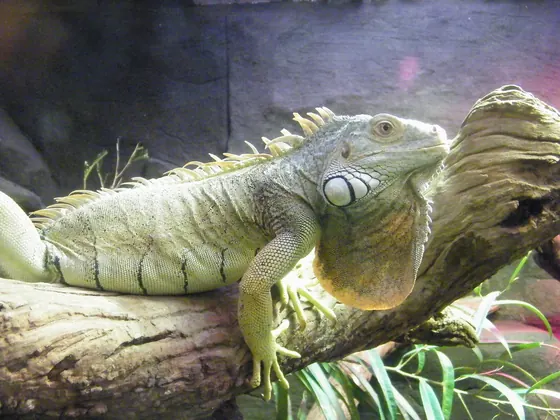
- Pet iguanas need a regular cycle of about 12 hours of light and 12 hours of darkness.
- Green iguanas do not hibernate. They are tropical and are harmed by prolonged cold. Some desert species, such as the desert iguana and chuckwallas, do brumate in winter.
When and Where Do Iguanas Sleep?
Iguanas are active during the day, when they can bask in the sun to stay warm. As evening comes, they settle into a safe spot to sleep through the night.
| Iguana | Typical sleeping spot |
|---|---|
| Green iguana | Branches high in trees, often overhanging water so they can drop in to escape |
| Rock iguanas | Rock crevices, holes and burrows |
| Spiny-tailed iguanas | Burrows and rock crevices |
| Marine iguana | Huddled on rocks or in crevices near the shore |
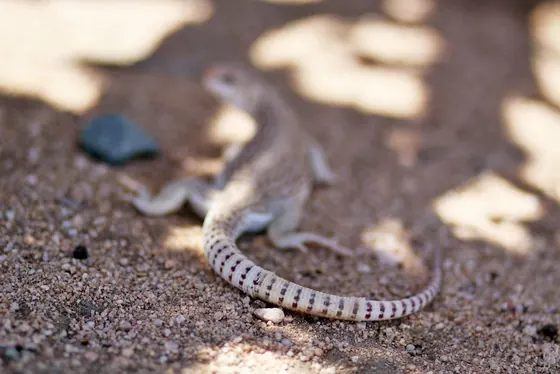
| Desert iguana | Burrows in sandy soil |
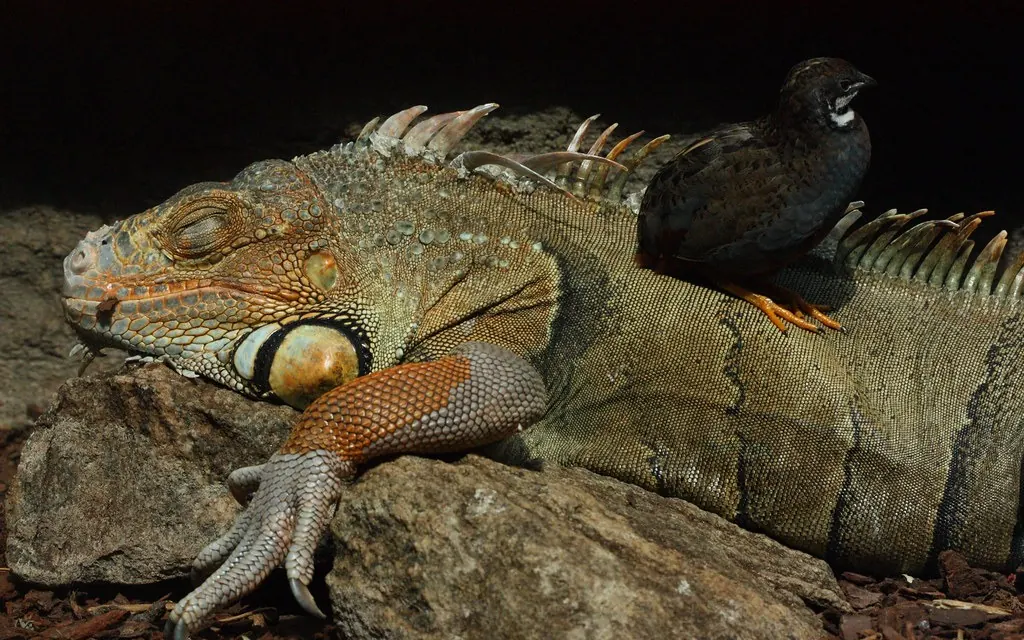
Sleeping iguanas usually close their eyes and lie flat or cling to their perch. They may also nap briefly during the day, especially after a big meal or a long bask.
How Much Sleep Do Pet Iguanas Need?
Pet iguanas do best with a consistent day-night cycle of roughly 12 hours of light and 12 hours of darkness, controlled with a timer. Keep these points in mind:
- Turn off all lights at night, including colored "night" bulbs, which iguanas can detect.
- If the room gets too cool at night, use a heat source that gives off no light, such as a ceramic heat emitter on a thermostat.
- Place the enclosure away from bright room lights and television at night.
- Provide a high perch or hide where the iguana feels safe sleeping.
See our iguana lighting guide for setting up the light cycle.
Is My Iguana Sleeping Too Much?
An iguana that sleeps or stays inactive much of the day may be telling you something is wrong. Common causes include:
- Temperatures too low: a cool iguana becomes sluggish. Check the basking spot and ambient temperatures. See temperature and humidity.
- Inadequate UVB or light: weak or old lamps can reduce activity.
- Shedding or breeding season: some iguanas become less active.
- Illness: lethargy is a common sign of many health problems. See signs of a sick iguana.
Do Iguanas Hibernate?
Green iguanas do not hibernate. They come from tropical regions where temperatures stay warm year-round, and they have no natural adaptation for surviving long cold periods. When temperatures drop, they slow down, and in very cold weather they can become stunned or die. This is why wild iguanas in South Florida fall from trees during cold snaps. See falling iguanas.
What Is Brumation?
Brumation is the reptile version of a winter slowdown. Reptiles that brumate become inactive for weeks or months during cool seasons, eating little or nothing and staying in a sheltered spot. Unlike mammalian hibernation, brumating reptiles may still move occasionally and drink.
| Iguana | Brumates? |
|---|---|
| Green iguana | No; tropical species harmed by long cold |
| Desert iguana | Yes; spends cooler months underground |
| Chuckwallas | Yes; become inactive in winter |
| Rock and spiny-tailed iguanas | Generally not; may be less active in cooler, drier seasons |
Should You Let a Pet Iguana Brumate?
No. Pet green iguanas should be kept at their normal temperatures year-round. An iguana that becomes inactive and stops eating in winter is usually too cold or unwell, not brumating. Check temperatures, UVB and humidity, and see a reptile veterinarian if lethargy continues. Owners of desert species should discuss any brumation plans with an experienced reptile vet.
Why Iguanas Sleep Over Water
Wild green iguanas often choose branches above rivers, canals and lakes. If a predator such as a snake, bird of prey or wild cat approaches at night or in the early morning, the iguana can drop into the water and swim away. This habit is one reason iguanas are so common along Florida canals. See can iguanas swim?
Signs Your Iguana Is Sleeping Well
- It settles in the same safe perch or hide each evening.
- It wakes alert and basks soon after the lights come on.
- It eats normally during the day.
Frequently Asked Questions
Where Do Iguanas Sleep at Night?
Wild green iguanas usually sleep on tree branches, often over water. Other species sleep in burrows or rock crevices.
Do Iguanas Sleep with Their Eyes Open?
Iguanas usually close their eyes to sleep. A pet that keeps its eyes closed much of the day may be cold or unwell.
Do Iguanas Hibernate in Florida?
No. Green iguanas do not hibernate. In cold snaps they become stunned and may shelter in burrows, but prolonged cold can kill them.
How Many Hours Do Iguanas Sleep?
They generally sleep through the night. Pets do best with about 12 hours of darkness each night.
Sources: The Tye-Dyed Iguana, Everything You Want to Know About Reptile Brumation; GPB, Brumation and Torpor; Simply Ecologist, Do Iguanas Hibernate?