Quick Answer
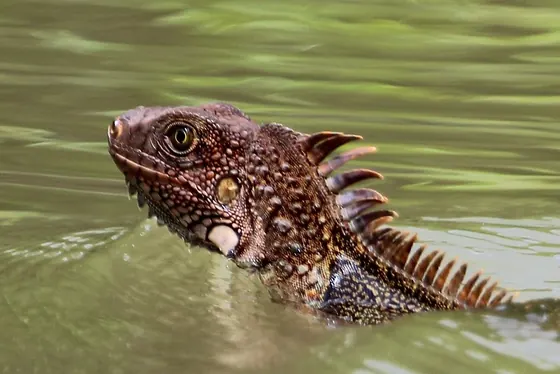
- Yes. Green iguanas are strong swimmers and often escape danger by dropping from branches into water.
- They swim by sweeping their long tails side to side, with their legs held against the body.
- Iguanas can stay underwater for an extended time; many sources report up to about 30 minutes, though most dives are much shorter.
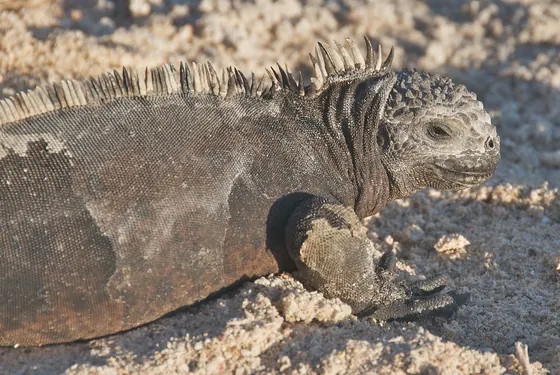
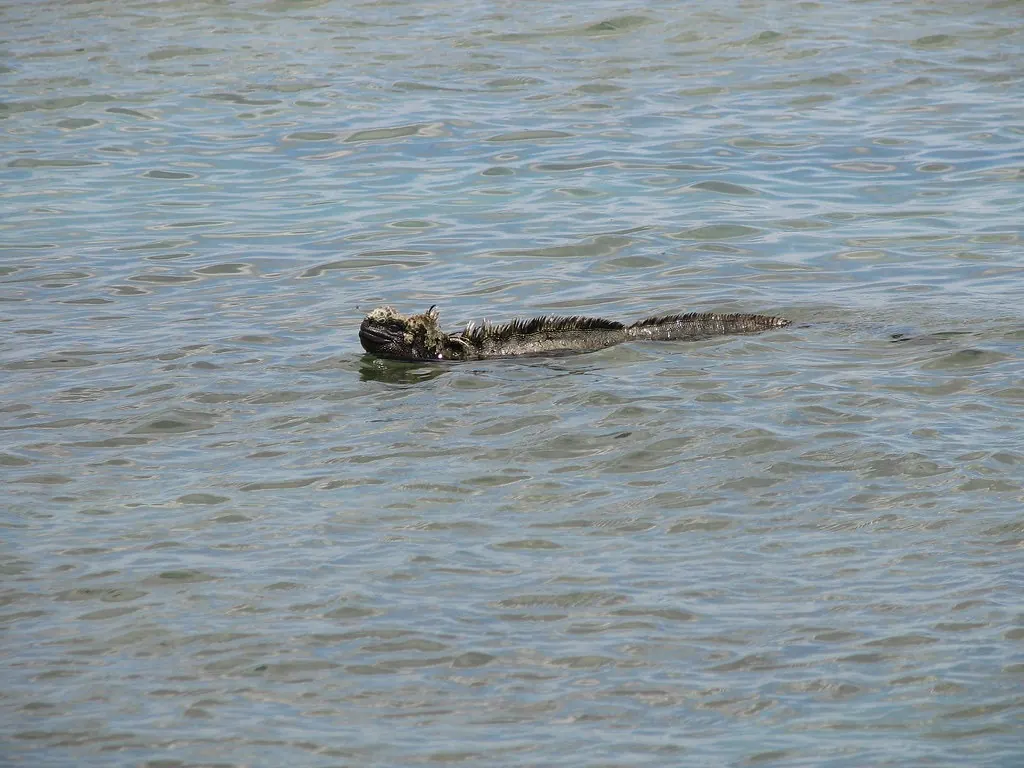
- The marine iguana of the Galápagos is the only lizard that feeds in the sea.
- Pet iguanas often enjoy supervised swims in warm water, but they must never be left alone in water.
Can Iguanas Swim?
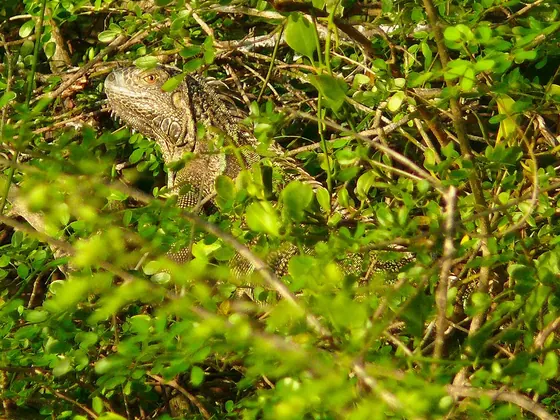
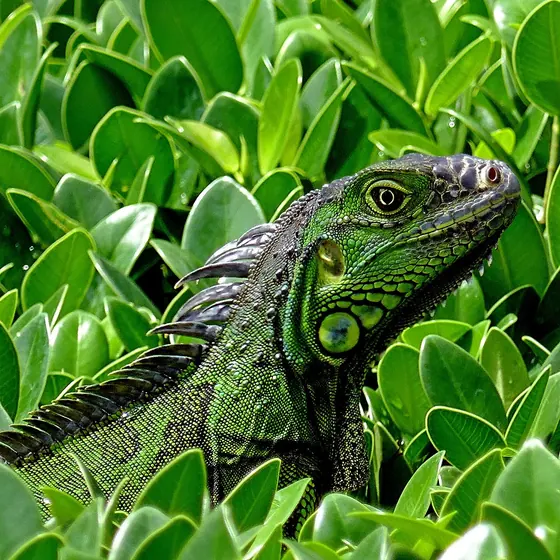
Iguanas are excellent swimmers. Green iguanas live in tropical forests and mangroves close to rivers, lakes and the sea, and water is one of their main escape routes. When a predator approaches, an iguana resting on a branch over a river or canal will often drop straight into the water and swim away or hide underwater. In South Florida, people regularly see iguanas swimming across canals and even turning up in backyard swimming pools.
How Iguanas Swim
Iguanas swim much like crocodiles. They tuck their legs back against their bodies to reduce drag and propel themselves with powerful side-to-side movements of their long, muscular tails. The tail makes up more than half of a green iguana's length, so it works like a long paddle. Swimming this way, iguanas can move smoothly at the surface or just below it.
| Swimming feature | How it helps |
|---|---|
| Long, muscular tail | Main source of propulsion |
| Legs held against the body | Reduces drag |
| Ability to hold breath | Lets the iguana hide underwater from predators |
| Nostrils on top of the snout | Allows breathing with little of the head above water |
How Long Can Iguanas Stay Underwater?
Iguanas can hold their breath for a surprisingly long time. Many sources report that green iguanas can remain underwater for up to around 30 minutes when hiding from danger, though typical dives are much shorter. As reptiles, iguanas have a slower metabolism than mammals of similar size, which reduces how much oxygen they need, especially in cooler water.
Claims of iguanas staying underwater for an hour or more appear online, but they are not well documented. Most dives last only minutes.
Do Iguanas Like Water?
Many do. Wild green iguanas choose habitat near water and use it for escape, cooling and drinking. Pet iguanas often soak in a large water tub in their enclosure, and many appear to enjoy supervised baths and swims. Individual iguanas vary; some are nervous in water at first. See how to bathe an iguana.
The Marine Iguana: The Only Sea-Feeding Lizard
The Galápagos marine iguana takes swimming further than any other lizard. It feeds on algae growing on rocks along the shore and underwater, swimming with a flattened tail and gripping rocks with sharp claws against the waves. Sources report it can dive to around 100 feet (30 meters) on occasion, though most dives are shallow, and that it sneezes out the excess salt it swallows. See our marine iguana guide.
How Iguanas Use Water to Spread
Swimming helps explain why green iguanas spread so successfully in places like South Florida. The Florida Fish and Wildlife Conservation Commission notes that the region's canals act as corridors that help iguanas disperse. Iguanas swim across canals and along waterways to reach new feeding and nesting areas, and the sandy banks of canals are favorite nesting sites. Water also gives them a quick escape from people, dogs and other predators, which is one reason they are hard to remove.
Iguanas in Swimming Pools
In South Florida and Puerto Rico, wild iguanas often end up in swimming pools. They may jump in to escape danger, cool off or drink, and they frequently leave droppings in the water, which can carry Salmonella. To handle an iguana in your pool:
- Do not grab it with bare hands; a cornered iguana may bite, scratch or tail-whip.
- Give it a way out, such as an angled board or ramp, and leave the area.
- Remove droppings and follow pool-care guidance before swimming. See iguana poop.
- Reduce basking spots and overhanging branches around the pool. See how to get rid of iguanas.
Swimming Safety for Pet Iguanas
- Use warm water of about 85–90°F (29–32°C).
- Always supervise; never leave an iguana alone in water.
- Provide a rock, branch or ledge so it can rest and climb out.
- Start shallow with nervous iguanas.
- Avoid chlorinated pools, saltwater and natural waters where pets could escape or be exposed to pollutants.
- Dry and warm the iguana under its basking lamp afterward.
Other Iguanas and Water
| Iguana | Relationship with water |
|---|---|
| Green iguana | Strong swimmer; lives near water and dives in to escape |
| Marine iguana | Feeds in the sea; dives for algae |
| Spiny-tailed iguanas | Mostly on land and rocks; can swim but use water less |
| Rock iguanas | Ground-dwellers; some Bahamian iguanas wade and swim near beaches |
| Desert iguana | Lives in dry desert; gets most water from food |
Frequently Asked Questions
Can Iguanas Breathe Underwater?
No. Iguanas breathe air, but they can hold their breath for extended periods, often reported at up to around 30 minutes.
Can Iguanas Swim in Salt Water?
Yes. Green iguanas can swim in brackish and salt water, and the marine iguana feeds in the ocean. Pet iguanas should swim only in clean, warm fresh water.
Why Do Iguanas Jump into Pools?
To escape perceived danger, cool down or drink. Iguanas living near water instinctively use it as an escape route.
Can Iguanas Drown?
Yes, especially if exhausted, cold, sick or unable to climb out. Never leave a pet iguana unattended in water.
Sources: PangoVet, Can Iguanas Swim?; A-Z Animals, Can Iguanas Swim?; Melissa Kaplan, Iguanas and Swimming.