Quick Answer
- Iguanas often hide illness until it is advanced, so small changes matter.
- Common warning signs: not eating, weight loss, lethargy, staying dark, swollen limbs or jaw, discharge from eyes, nose or mouth, abnormal droppings and repeated stuck shed.
- Urgent signs: seizures or tremors, inability to move, labored or open-mouth breathing at rest, bleeding, burns, a swollen belly with straining, or no food for over about a week.
- Most iguana illnesses are linked to husbandry, so check lighting, temperatures and diet, and see a reptile veterinarian.
Why Sick Iguanas Are Hard to Spot
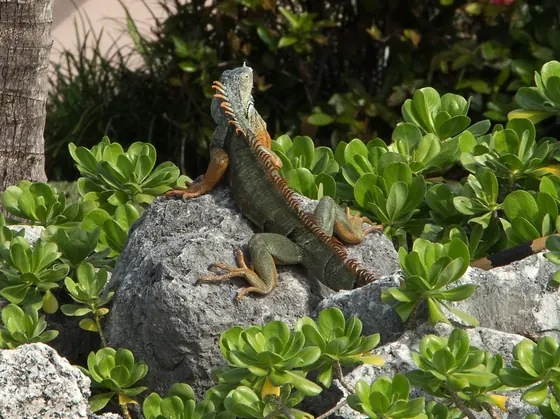
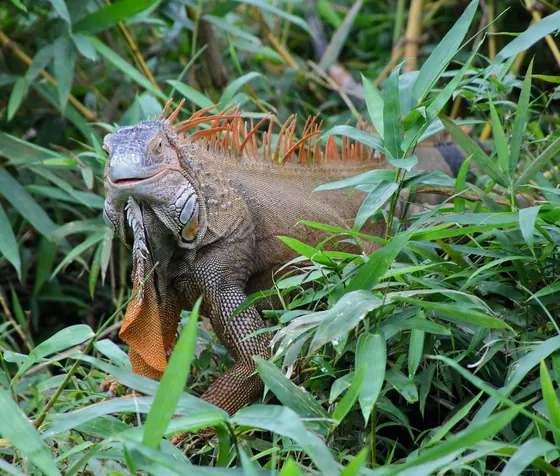
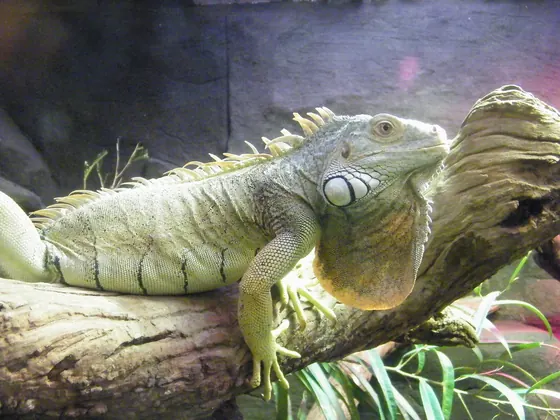
In the wild, an animal that looks weak attracts predators, so iguanas instinctively hide signs of illness. By the time a pet iguana looks obviously sick, a problem has often been developing for weeks. Knowing what normal looks like for your iguana, and noticing changes early, is the best protection.
Healthy vs. Sick Iguana
| Healthy iguana | Possible sign of illness |
|---|---|
| Alert, bright, clear eyes | Sunken, swollen, cloudy or closed eyes |
| Eats regularly | Eats little or nothing |
| Rounded body and thick tail base | Visible hip bones, thin tail, weight loss |
| Active basking and moving between zones | Lethargic, stays in one place, weak grip |
| Normal color for the individual | Stays very dark, or yellowish and pale |
| Straight limbs, firm jaw | Swollen limbs, soft or swollen jaw, tremors |
| Clean nose and mouth | Discharge, bubbles, swelling, cheesy material in the mouth |
| Firm droppings with white urates | Runny, bloody or very smelly droppings, or none for a long time |
| Sheds in patches without problems | Repeated stuck shed, sores or discolored skin |
Common Iguana Health Problems
Metabolic Bone Disease
Caused mainly by inadequate UVB, low calcium or wrong temperatures. Signs include swollen limbs, a soft jaw, tremors and fractures. See metabolic bone disease.
Kidney Disease
Kidney problems are common in older iguanas and can be linked to chronic dehydration and diets too high in protein. Signs can be vague, such as lethargy, poor appetite, weight loss and increased drinking or swelling. Blood tests help diagnose it.
Mouth Rot (Infectious Stomatitis)
A bacterial infection of the mouth, often following injury or stress. Look for red, swollen gums, pus or cheesy material and reluctance to eat. Needs veterinary treatment.
Respiratory Infections
Often linked to temperatures that are too low. Signs include wheezing, bubbles or discharge from the nose, open-mouth breathing at rest and lethargy. Note that iguanas normally "sneeze" salt from their nostrils, which leaves a white crust and is not a sign of illness on its own.
Abscesses
Firm lumps under the skin, often after bites, scratches or injuries. Reptile abscesses contain thick material and usually need to be opened and cleaned by a vet.
Parasites
Internal parasites can cause weight loss and abnormal droppings. External parasites such as mites cause irritation, poor shedding and, in heavy infestations, anemia. A fecal test at a vet visit can detect internal parasites.
Egg-Related Problems
Female iguanas can produce eggs without a male. Problems such as egg-binding or follicular stasis can be life-threatening. See iguana eggs.
Burns and Injuries
Burns from unguarded bulbs or heat rocks, injuries from falls, broken toes and tail injuries are common in pets. See tail injuries and regrowth.
Stuck Shed and Dehydration
Low humidity and dehydration cause shedding problems that can constrict toes and tail tips. See iguana shedding.
Symptoms Checker
| Symptom | Possible causes | Urgency |
|---|---|---|
| Not eating | Cold, stress, shedding, breeding season, egg production, illness | Vet if over about a week or with weight loss |
| Swollen limbs or soft jaw | Metabolic bone disease | Soon |
| Tremors or seizures | Low blood calcium | Emergency |
| Open-mouth breathing at rest, wheezing | Respiratory infection, overheating | Soon; urgent if severe |
| Swollen belly, straining, digging without laying | Egg-binding | Urgent |
| Dark, dry toe or tail tip | Constricting shed, injury, tissue death | Soon |
| Lumps under the skin | Abscess, tumor | Soon |
| Runny or bloody droppings | Parasites, infection, diet | Soon; urgent if bloody or with weakness |
| Blisters or dark patches on the belly | Burns | Soon |
First Steps If Your Iguana Seems Sick
- Check the environment: basking and ambient temperatures, humidity, UVB bulb age and placement.
- Keep the iguana warm at its proper temperature range; illness slows without warmth.
- Note the details: when symptoms started, appetite, droppings, weight if you can measure it.
- Take photos or video of symptoms such as tremors.
- Call a reptile veterinarian and describe the problem. Do not give medications or supplements without veterinary advice.
Weekly Home Health Check
A quick, regular check helps you spot problems early. Once a week, in good light:
| Check | What to look for |
|---|---|
| Weight | Weigh on a kitchen or small pet scale; record it. Steady loss is an early warning. |
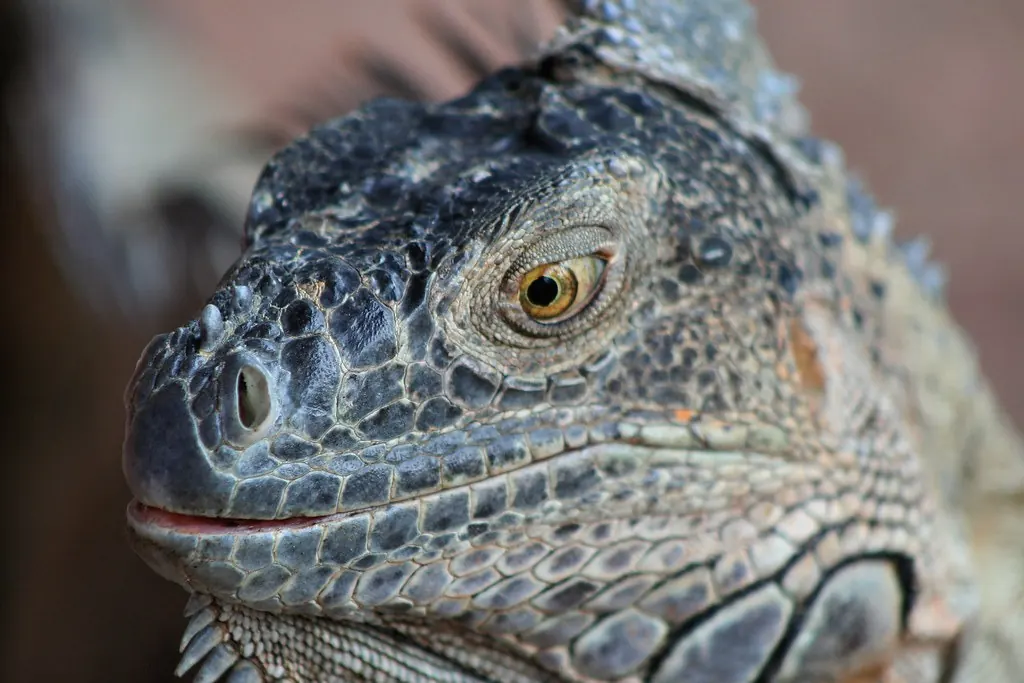
| Eyes | Bright, open and clear, not sunken or swollen |
| Nose and mouth | No bubbles, thick discharge, swelling or cheesy material; gums pink, not pale or red |
| Jaw and limbs | Firm jaw, straight limbs, no swelling or tremors |
| Skin | No sores, blisters, dark patches, lumps or moving specks |
| Toes and tail tip | No constricting rings of shed, swelling or darkening |
| Vent | Clean, not swollen or smeared |
| Droppings | Formed feces with white urates |
| Behavior | Normal basking, activity and appetite for the season |
Normal Changes That Can Look Like Illness
- Sneezing with white crust on the nose: normal salt removal.
- Dull, patchy skin: usually shedding. See iguana shedding.
- Eating less during breeding season: common in mature males and egg-producing females. See breeding season.
- Darker color on cool mornings: normal heat absorption.
- Open mouth while basking: releasing heat, if the iguana is otherwise normal and a cooler area is available.
Even normal changes deserve a closer look if they last unusually long or come with other symptoms such as weight loss or weakness.
Husbandry Problems Behind Most Illnesses
| Husbandry problem | Health problems it can cause |
|---|---|
| Weak, old or blocked UVB | Metabolic bone disease |
| Temperatures too low | Poor digestion, respiratory infections, weak immunity |
| Low humidity, too little water | Dehydration, kidney strain, stuck shed |
| Fruit-heavy or protein-heavy diet | Calcium deficiency, digestive upset, kidney problems |
| Unguarded heat sources | Burns |
| Dirty enclosure | Infections, parasites |
| No nest box for females | Egg-binding |
Finding a Reptile Vet
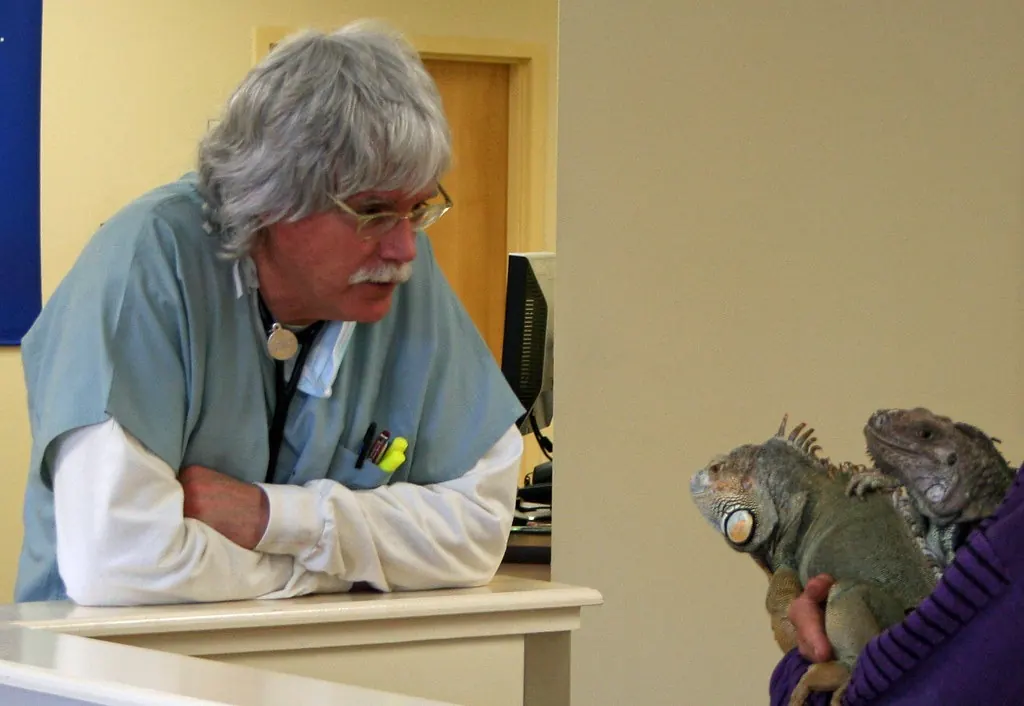
Not every veterinarian treats reptiles. Look for an exotic or reptile veterinarian before you need one. The Association of Reptile and Amphibian Veterinarians (ARAV) offers a directory of members. A first wellness visit for a new iguana typically includes an exam, weight check and fecal test.
Preventing Illness
Most iguana illnesses are preventable with good husbandry: a large enclosure, strong UVB, correct heat and humidity, a calcium-rich plant diet, clean water and yearly vet checks. Our iguana care guide covers the essentials.
Frequently Asked Questions
How Do I Know If My Iguana Is Dying?
Severe weakness, no eating for an extended time, inability to move, labored breathing or seizures are serious signs. Contact a reptile vet immediately.
Why Is My Iguana Not Eating?
Common causes include low temperatures, stress, shedding, breeding season, egg production and illness. If it lasts more than about a week or the iguana loses weight, see a vet.
Is It Normal for Iguanas to Sneeze?
Yes. Iguanas sneeze to remove excess salt through glands in the nose. Sneezing with bubbles, discharge or wheezing may signal infection.
How Often Should an Iguana See a Vet?
A check-up soon after you get it, then about once a year, plus visits whenever you notice signs of illness.
Sources: VCA Animal Hospitals, Iguanas: Diseases; Iguana Den, When to See a Vet. This page is general information, not veterinary advice.