Quick Answer
- Iguanas live in the Americas, the Caribbean, the Galápagos Islands and Fiji.
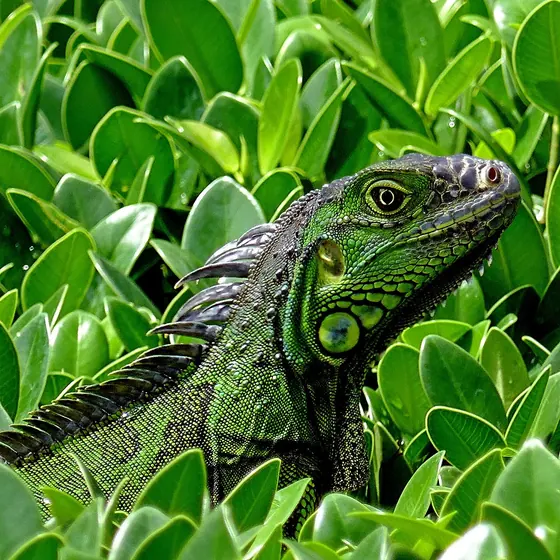
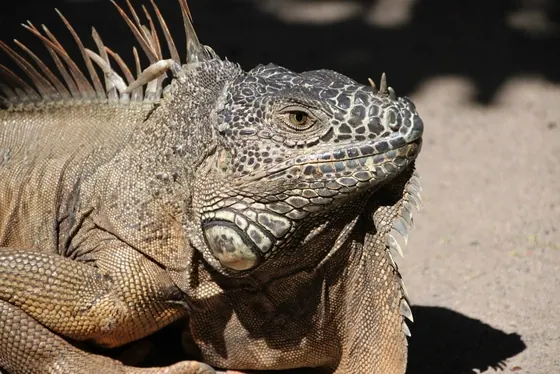
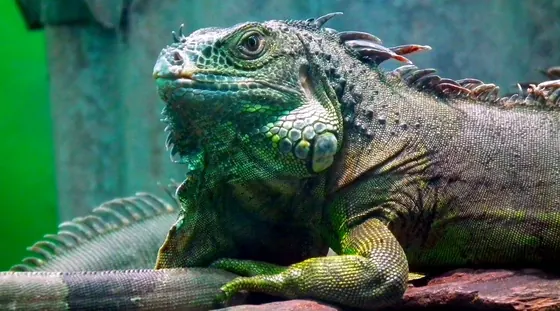
- Green iguanas are native to Central America, tropical South America and some eastern Caribbean islands, mostly in warm forests near water.
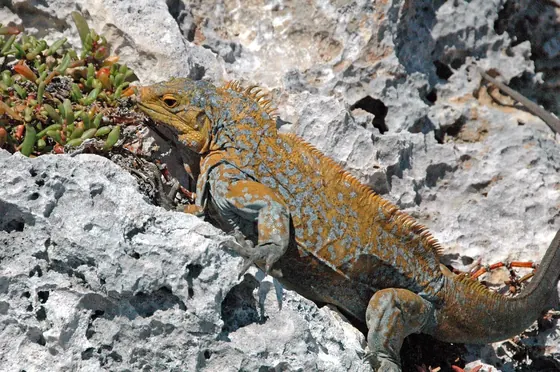
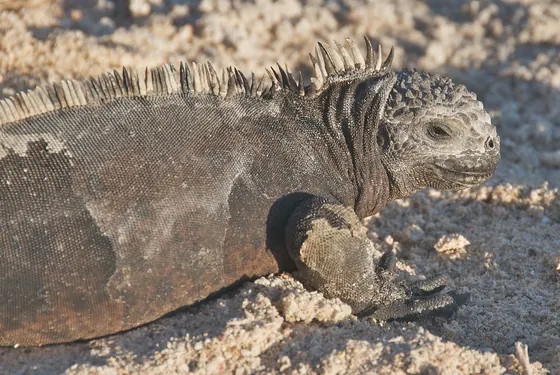
- Other species live in very different places: marine iguanas on Galápagos shores, rock iguanas on Caribbean islands and desert iguanas in the US Southwest.
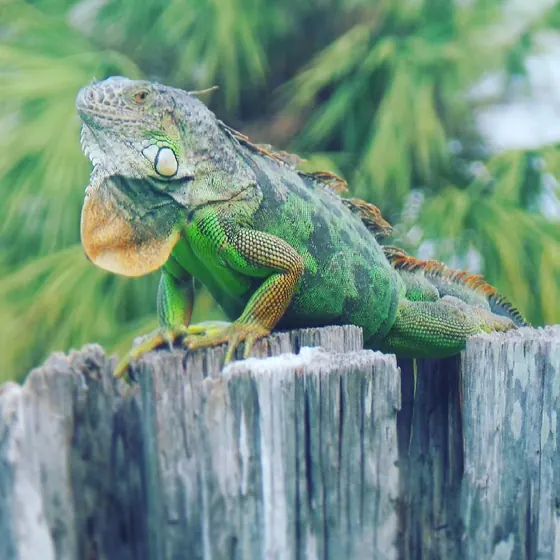
- Green iguanas have become invasive in South Florida, Puerto Rico, Hawaii and other warm places.
Where Are Iguanas Native To?
The iguana family, Iguanidae, is centered in the Americas. Different species have adapted to a wide range of habitats, from humid rainforest to dry scrub, rocky islands and hot desert. The green iguana has the widest native range, stretching from Mexico through Central America into tropical South America, along with some eastern Caribbean islands. A few iguana species live far from the Americas, in Fiji and Tonga in the South Pacific.
Iguana Habitats by Species
| Species | Where it lives | Habitat |
|---|---|---|
| Green iguana | Mexico, Central and tropical South America, some Caribbean islands | Tropical forest, mangroves, riverbanks, often in trees near water |
| Marine iguana | Galápagos Islands | Rocky coasts; feeds in the sea |
| Galápagos land iguanas | Galápagos Islands | Dry lowlands with cactus |
| Rock iguanas | Cuba, Jamaica, Hispaniola, Cayman Islands, Bahamas, Turks and Caicos, Virgin Islands | Dry forest, scrub and rocky ground |
| Spiny-tailed iguanas | Mexico and Central America | Dry forest, rocky areas, coastal scrub |
| Desert iguana | Southwestern US and northwestern Mexico | Sandy creosote-bush desert |
| Fiji iguanas | Fiji (and Tonga for some populations) | Tropical forest trees |
Where Green Iguanas Live in the Wild
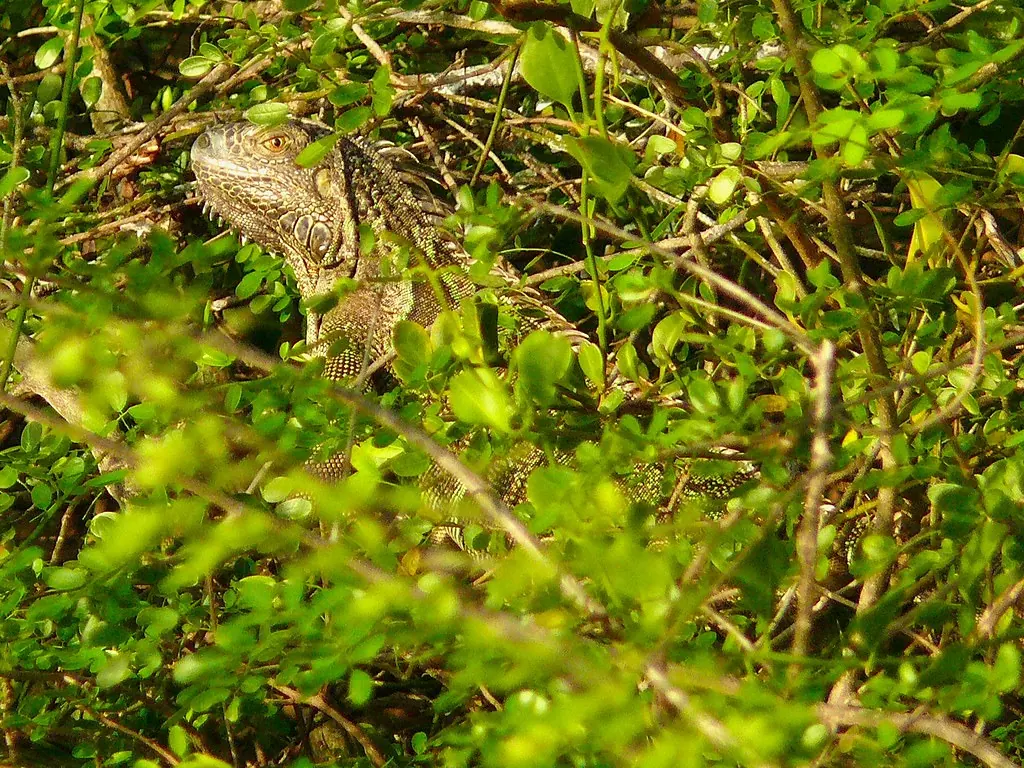
Green iguanas are mainly arboreal, spending much of their lives in trees. They prefer warm, humid lowland habitats near rivers, lakes, swamps and coasts. They bask on high branches in the morning sun and often sleep on branches overhanging water. When threatened, they frequently drop from a branch into the water below and swim away.
Females come down to the ground to dig nests, often in sandy riverbanks and beaches. In disturbed areas, green iguanas also live along canals, in parks and gardens, and around buildings.
Do Iguanas Live in Water? Can They Swim?
Green iguanas do not live in water, but they stay close to it and are strong swimmers that often escape danger by dropping into rivers and canals. The marine iguana even feeds in the sea. Our guide can iguanas swim? covers how they swim, how long they stay underwater and iguanas in pools.
Where Iguanas Are Invasive
Through the pet trade, green iguanas have been introduced to many warm places outside their native range, where some populations have become invasive.
| Place | Situation |
|---|---|
| South Florida | Established since the 1960s; a prohibited species since 2021. See iguanas in Florida. |
| Puerto Rico | Very abundant; damages crops, infrastructure and native habitat |
| Hawaii | Illegal to possess; populations on Oahu targeted for removal |
| US Virgin Islands and other Caribbean islands | Introduced populations in some places, threatening native iguanas |
| Fiji | Introduced green iguanas threaten native Fiji iguanas and crops |
| Parts of Asia, including Taiwan | Introduced populations reported |
Green iguanas thrive wherever winters are mild, food is plentiful and predators are few. Cold limits their spread, which is why Florida's populations are mostly in the south of the state.
Iguanas in Puerto Rico
Green iguanas are not native to Puerto Rico but are now abundant there, where they are known as gallina de palo. The island's native iguana is the Mona Island iguana. See iguanas in Puerto Rico for how they spread, the problems they cause and control efforts.
Iguana Habitat Types
| Habitat | Iguanas found there | Key features |
|---|---|---|
| Tropical rainforest and riverbanks | Green iguana | Tall trees, warmth, humidity, nearby water |
| Mangroves and coastal forest | Green iguana, Utila spiny-tailed iguana | Trees over water, brackish swamps |
| Dry tropical forest and scrub | Rock iguanas, spiny-tailed iguanas, Fiji crested iguana | Seasonal dryness, rocky ground, burrows |
| Rocky volcanic shores | Marine iguana | Lava rocks for basking, algae in the sea |
| Arid lowlands with cactus | Galápagos land iguanas | Prickly pear cactus for food and water |
| Hot sandy desert | Desert iguana, chuckwallas | Creosote bush, burrows, extreme heat |
| Urban and suburban areas | Invasive green and spiny-tailed iguanas | Canals, seawalls, gardens, parks |
Why Iguanas Need Warm Climates
Iguanas are ectotherms, so their activity, digestion and immune function depend on outside temperatures. That is why almost all iguanas live in the tropics or hot deserts. Green iguanas struggle when temperatures fall below about 50°F and are commonly stunned at around 40°F. In Florida, cold winters in the north of the state are what keep invasive iguanas mostly in the south. See falling iguanas for what happens during cold snaps.
Iguanas in Texas and Other US States
Outside Florida, Puerto Rico and Hawaii, green iguanas occasionally turn up in warm parts of the US, such as southern Texas, usually as escaped or released pets. Whether they can establish depends on winter temperatures. Many states regulate or ban releasing nonnative animals, so unwanted pets should go to a rescue or an amnesty program, never into the wild.
Where Do Pet Iguanas Live?
Pet iguanas need an indoor habitat that copies their tropical home: a large, tall enclosure with heat, UVB lighting, high humidity and climbing branches. Our iguana enclosure guide explains how to set one up.
Frequently Asked Questions
What Countries Do Iguanas Live In?
Green iguanas are native from Mexico through Central America to tropical South America and some Caribbean islands. Other iguanas live in the Galápagos (Ecuador), the Caribbean, the US Southwest and Fiji.
Are Iguanas Native to the United States?
The desert iguana and chuckwalla are native to the US Southwest. Green iguanas are not native to the US; Florida's populations are introduced.
Can Iguanas Swim?
Yes. Green iguanas are strong swimmers and often escape predators by dropping into water. Marine iguanas even feed in the sea.
Where Do Iguanas Sleep?
Wild green iguanas usually sleep on branches, often over water. Other species sleep in burrows, rock crevices or holes.
Sources: Florida Fish and Wildlife Conservation Commission, Green Iguana; IUCN Global Invasive Species Database, Iguana iguana; National Geographic, Puerto Rico's Invasive Iguanas.