Quick Answer
- Green iguanas are invasive in Florida and protected only by anti-cruelty law. No hunting license or permit is needed to kill them.
- You may humanely kill them year-round on private property with the landowner's permission, and on 32 public lands in South Florida designated by the Florida Fish and Wildlife Conservation Commission (FWC).
- Killing must be humane, and city and county rules on discharging firearms and air guns still apply.
- Live iguanas cannot be relocated, and possessing live captured iguanas requires a permit.
- Guided iguana hunting trips are available in South Florida for people who want to go with professionals.
Is Iguana Hunting Legal in Florida?
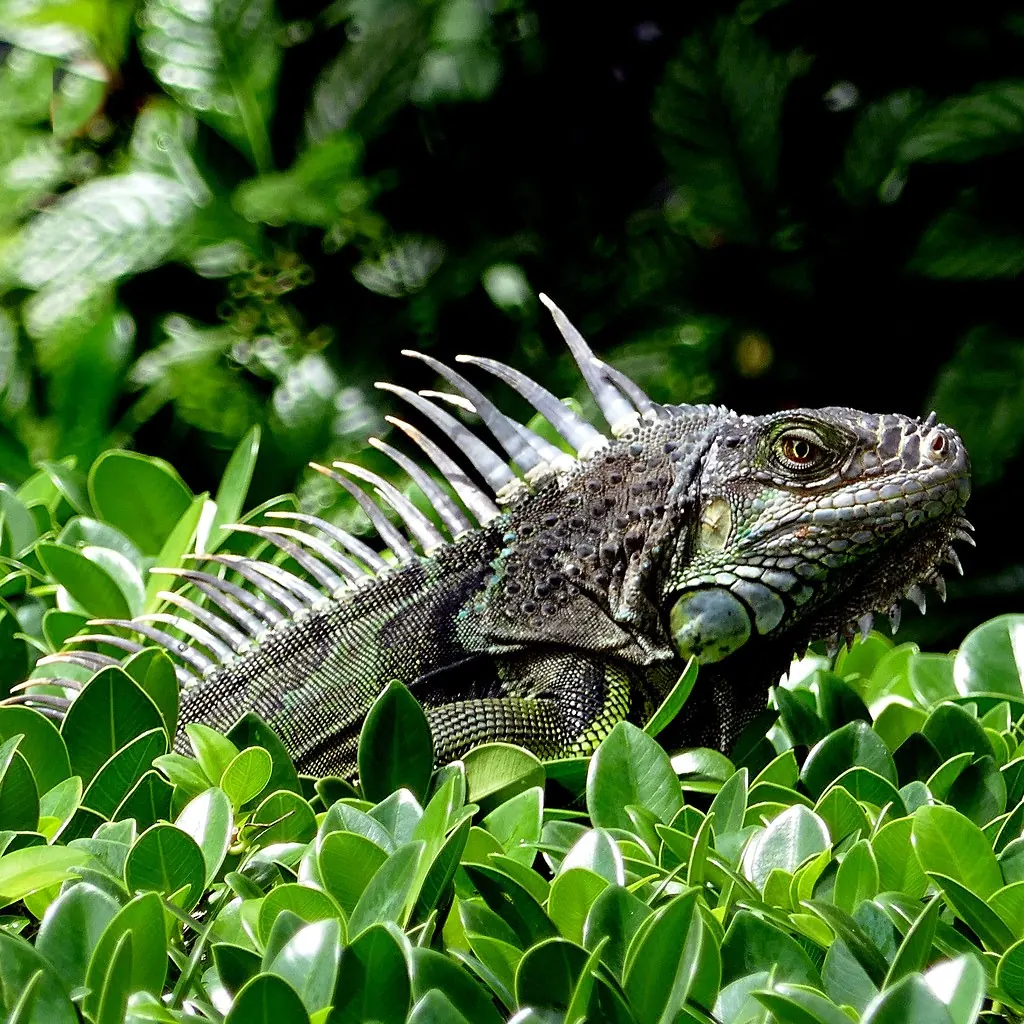
Yes, within limits. Green iguanas are a nonnative, invasive species and were added to Florida's prohibited species list on April 29, 2021. According to the FWC, they are protected only by anti-cruelty law, which means they can be killed year-round without a hunting license, as long as it is done humanely and legally.
That does not mean anything goes. In 2019, after an FWC release encouraging people to kill iguanas led some residents to start shooting them, FWC commissioner Rodney Barreto stressed that "this is not the 'wild west'," and the agency clarified that people who cannot remove iguanas safely and humanely should hire professionals. Police in South Florida have responded to calls about people shooting at iguanas in neighborhoods.
Where You Can Hunt Iguanas
| Location | Rules |
|---|---|
| Your own property | Allowed year-round if done humanely and in line with local ordinances |
| Someone else's private property | Only with the landowner's permission |
| 32 FWC-designated public lands in South Florida | Iguanas may be captured and humanely killed year-round without a permit or hunting license; follow each area's rules on access and methods |
| Other public land, parks and streets | Generally not allowed without authorization; check with the land manager |
The FWC publishes the list of designated public lands on its website. Rules for individual areas, such as permitted hours, access points and methods, can differ, so check before you go.
Humane Methods
"Humane" is the key legal requirement. A humane kill is quick and minimizes suffering. Methods commonly used by professionals include:
- Air rifles and pellet guns: widely used by professional removal companies and guides for accurate head shots at close range, where local laws allow their use.
- Capture followed by humane dispatch: trapping, noosing or netting iguanas, then killing them quickly by a method recognized as humane for reptiles.
- Professional removal: licensed nuisance wildlife trappers and iguana removal companies.
Methods that cause prolonged suffering, such as poisoning, drowning, glue traps or freezing a live iguana, are inhumane and may violate animal cruelty laws. Never shoot toward houses, roads, water you cannot see across, or people, and be aware that pellets can ricochet off seawalls and pavement.
Firearms and Air Gun Rules
State wildlife rules allowing iguanas to be killed do not override local laws on discharging weapons. Many Florida cities and counties restrict or ban discharging firearms, and some restrict air guns, especially in residential areas. Before hunting:
- Check your city and county ordinances on firearms and air guns.
- Check homeowners' association rules if you live in a managed community.
- On public lands, confirm which methods are allowed in that area.
- When in doubt, hire a licensed professional or book a guided trip.
Guided Iguana Hunting Trips
Several South Florida outfitters offer guided iguana hunting trips, often by boat along canals and waterways, using air rifles. Guides handle access and permissions and are familiar with local rules. Guided groups commonly report harvesting multiple iguanas per outing. If you are new to iguana hunting, a guided trip is a safer way to learn than hunting alone.
Best Times and Places to Find Iguanas
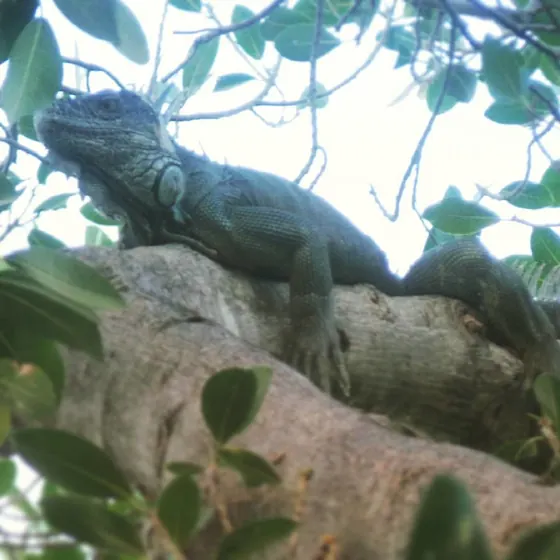
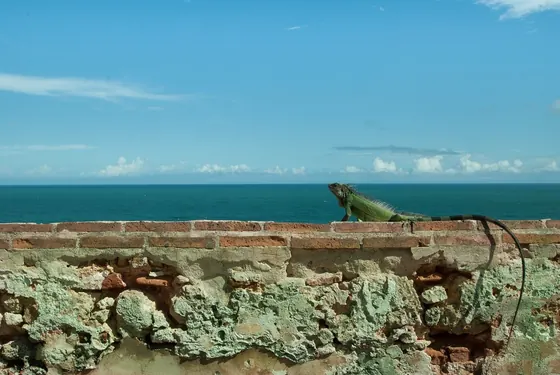
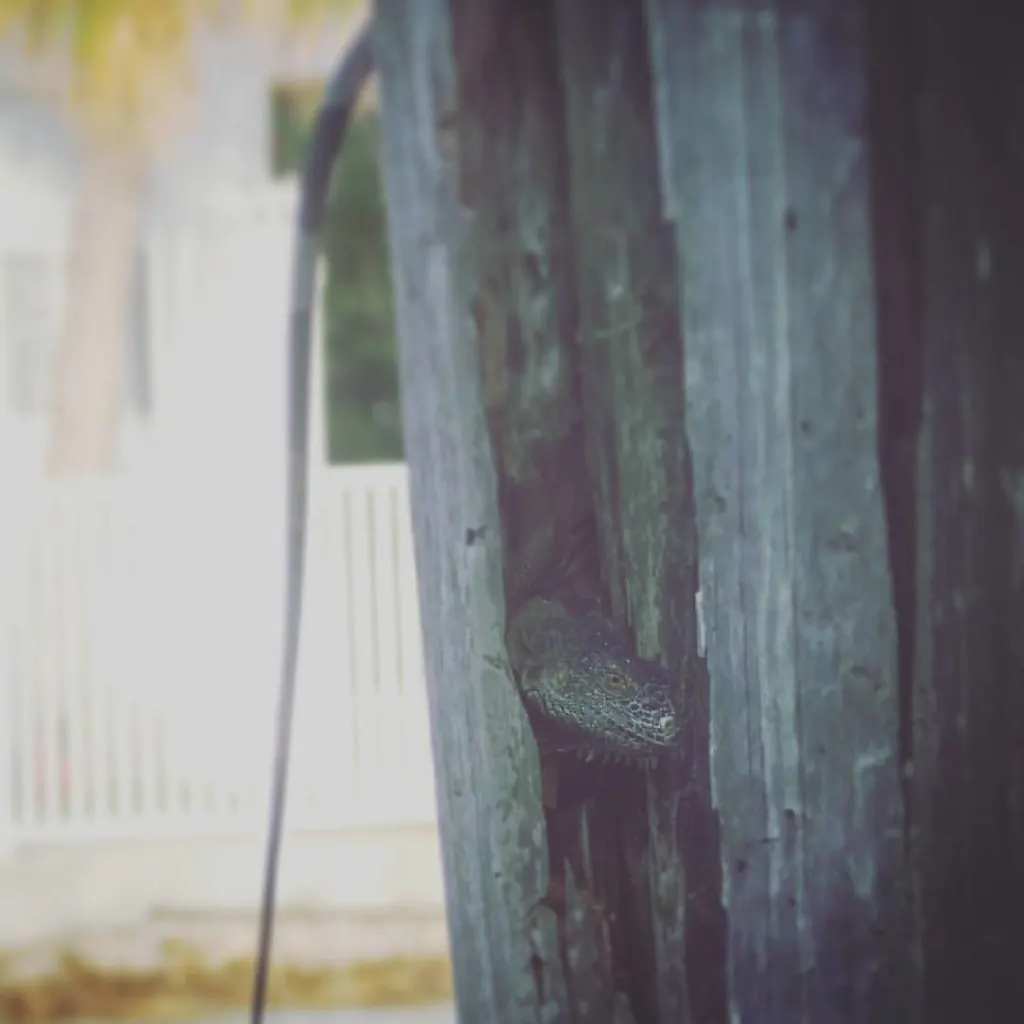
- Warm, sunny days: iguanas bask in trees, on seawalls and along canal banks, especially in the morning.
- Near water: canals, lakes and mangroves are prime habitat; iguanas often drop into water to escape.
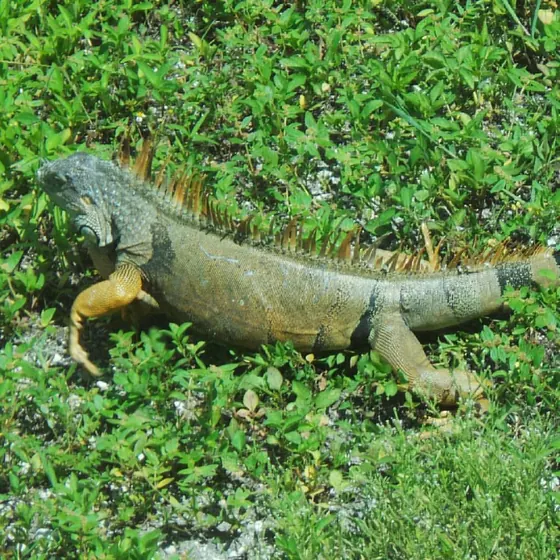
- Nesting season: females dig nests in sandy banks in spring, while orange breeding males are most visible from late fall into early spring.
- After cold snaps: cold-stunned iguanas may be on the ground; see falling iguanas.
What to Do with Harvested Iguanas
Many hunters eat iguanas, and the FWC has said it is legal to eat iguana meat in Florida. Iguanas can carry Salmonella, so handle and clean them with gloves and cook meat thoroughly to 165°F (74°C). See can you eat iguana? for safety details. Otherwise, dispose of carcasses in line with local waste rules; do not leave them in waterways or public areas.
Why Iguana Hunting Matters in Florida
Green iguanas damage landscaping, seawalls, canal banks, sidewalks and foundations, and they reproduce quickly, with clutches of 14 to 76 eggs. Removing them, especially breeding-age females, helps reduce local numbers. One hunter writing in Field & Stream reported removing 730 iguanas from a small island in 2024, more than half of them female. Even so, removal needs to be ongoing; neighboring populations quickly fill gaps. See iguanas in Florida for the bigger picture.
Safety Tips
- Always identify your target and what is behind it.
- Wear eye protection when using air guns.
- Handle wounded or live iguanas with care; they bite, scratch and tail-whip.
- Wear gloves and wash your hands after handling iguanas.
- Do not bring live iguanas home or transport them without a permit.
Iguana Hunting Gear Checklist
| Item | Why |
|---|---|
| Air rifle suited to humane head shots, where legal | Common choice of professionals for accurate, quick kills at close range |
| Eye protection | Protects against ricochets and debris |
| Thick gloves | Protects against bites, claws and Salmonella |
| Snare pole, net or noose | For capturing iguanas, especially near water |
| Heavy-duty bags or cooler | For transporting harvested iguanas; keep meat cold if you plan to eat it |
| Proof of permission | Written landowner permission for private property |
| Copy of local rules | Firearm and air gun ordinances and public land regulations |
Common Mistakes
- Assuming state rules override local weapon ordinances; they do not.
- Hunting on property without written permission.
- Shooting at iguanas on rooftops, near roads or over water where you cannot see what is beyond.
- Taking long, uncertain shots that wound rather than kill.
- Carrying live iguanas away without a permit.
- Leaving carcasses in canals or public areas.
Frequently Asked Questions
Do You Need a License to Hunt Iguanas in Florida?
No. Green iguanas are protected only by anti-cruelty law, so no hunting license or permit is needed to humanely kill them on private property with permission or on FWC-designated public lands.
Can You Shoot Iguanas in Florida?
State rules allow humane killing, but local laws on discharging firearms and air guns still apply. Many residential areas prohibit it. Check local ordinances or hire a professional.
Where Can You Hunt Iguanas in Florida?
On private property with the landowner's permission and on 32 FWC-designated public lands in South Florida, following each area's rules.
Does Florida Pay You to Hunt Iguanas?
There is no statewide bounty. Property owners, communities and local governments pay professional removal companies. See how to get rid of iguanas.
Sources: Florida Fish and Wildlife Conservation Commission, Green Iguana; NBC 6 Miami, FWC Clarifies Message to Kill Invasive Iguanas (July 2019); Field & Stream, Florida Iguana Hunting Guide. This page is general information, not legal advice.