
Iguana Facts (2026): Lifespan, Size and Surprising Anatomy
How long iguanas live, how big they get, where they come from and the anatomy that makes them unusual.
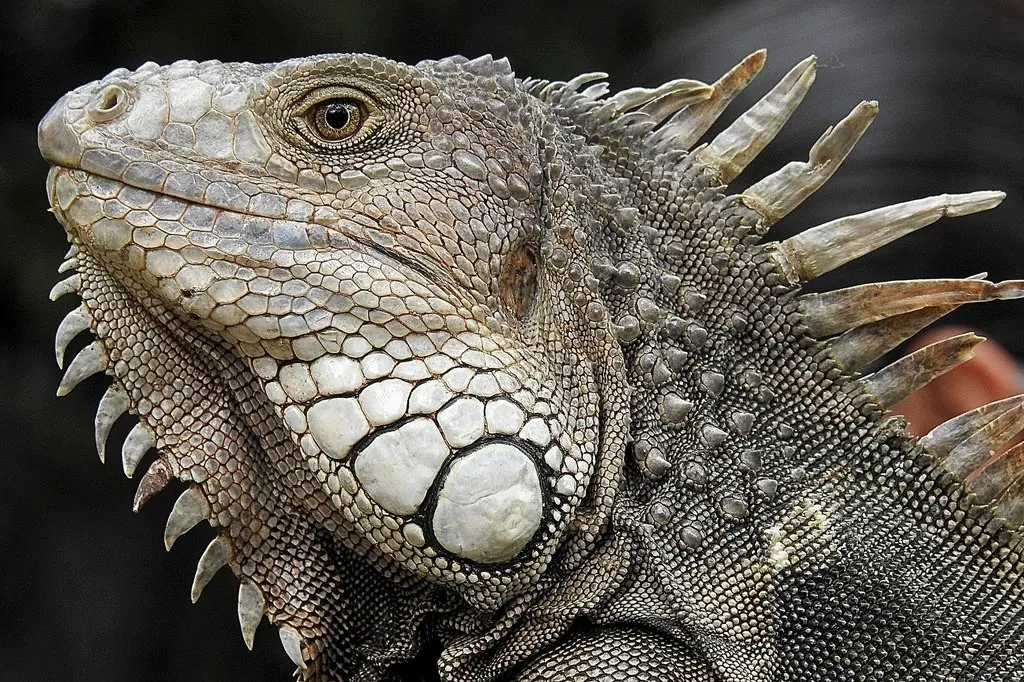
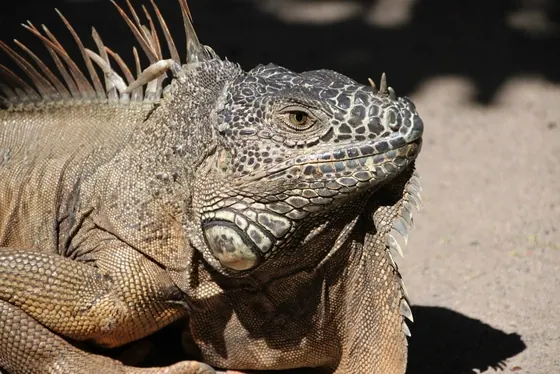
Iguana Lifespan
Wild vs. captive lifespan, species differences and how good care adds years to an iguana's life.
Read Guide →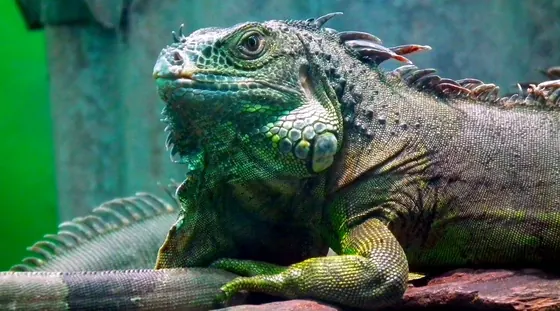
How Big Do Iguanas Get?
Adult size, weight, growth from hatchling to adult and the biggest and smallest iguana species.
Read Guide →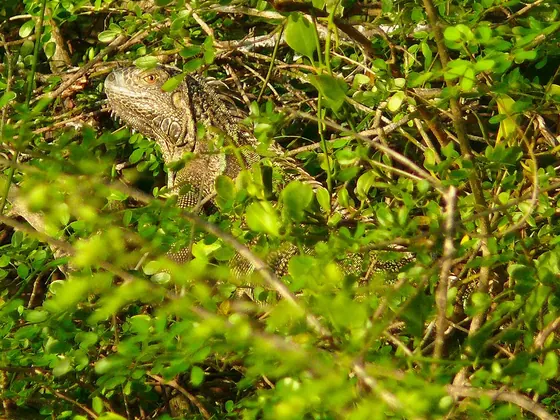
Where Do Iguanas Live?
Native ranges, habitats by species, swimming and the places where green iguanas have become invasive.
Read Guide →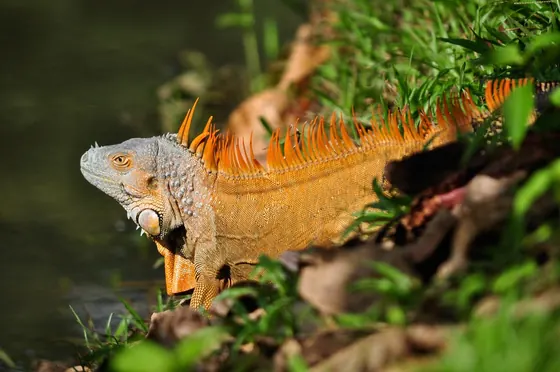
Iguana Colors
Breeding-season orange, temperature darkening, stress colors, shedding and the red, blue and albino morphs.
Read Guide →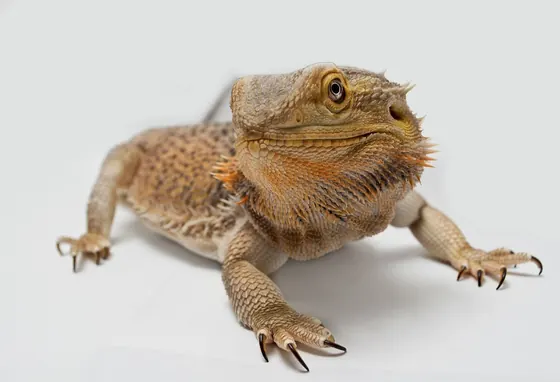
Iguana vs. Bearded Dragon
Size, lifespan, diet, housing, cost and temperament compared side by side.
Read Guide →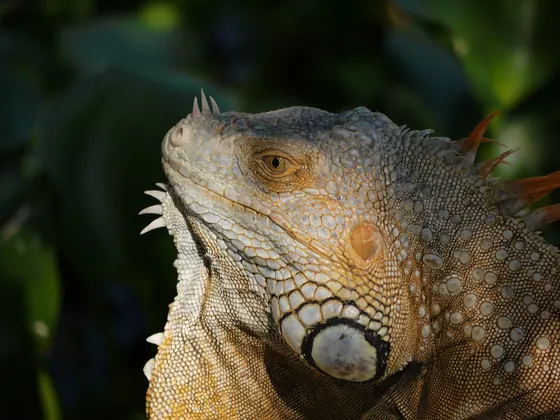
Iguana Third Eye
What the parietal eye is, what it detects and how it helps iguanas survive.
Read Guide →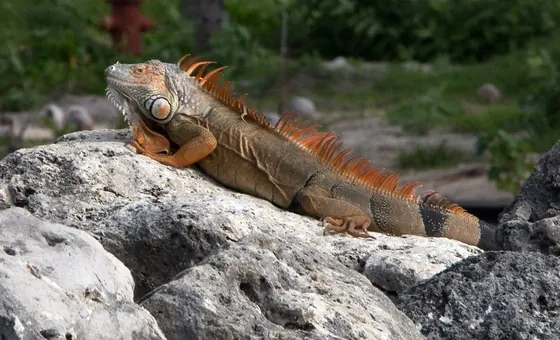
Male vs. Female Iguana
Femoral pores, jowls, spines, size and behavior: how to sex an iguana and why it matters.
Read Guide →
Can Iguanas Swim?
How iguanas swim, how long they stay underwater, the sea-going marine iguana and swimming pets.
Read Guide →
Iguanas in Puerto Rico
How green iguanas spread across Puerto Rico, the problems they cause and the island's native rock iguana.
Read Guide →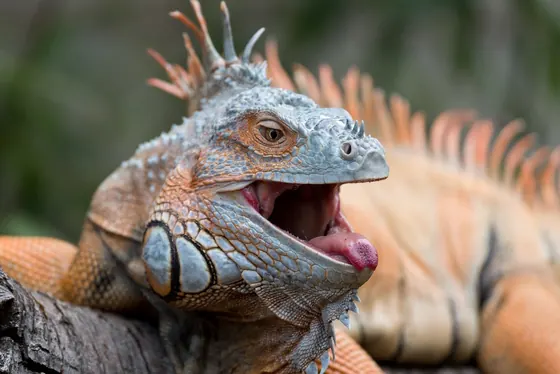
Iguana Teeth
How many teeth iguanas have, their shape, constant replacement, the iguana tongue and dental health.
Read Guide →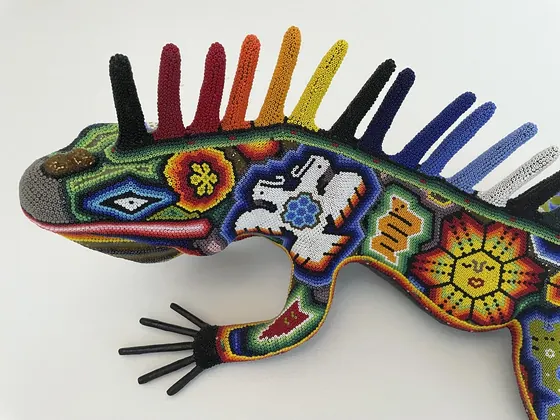
Iguana Meaning and Symbolism
The origin of the word, iguanas in history and culture, and the symbolism people associate with them.
Read Guide →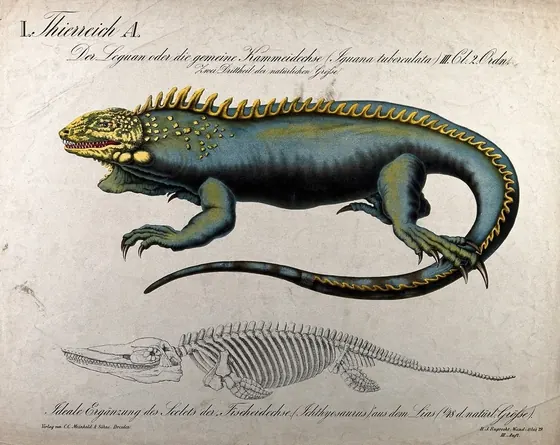
Iguana Anatomy
The iguana's skeleton, skull, scales, senses, organs, digestive system and the features that make it unique.
Read Guide →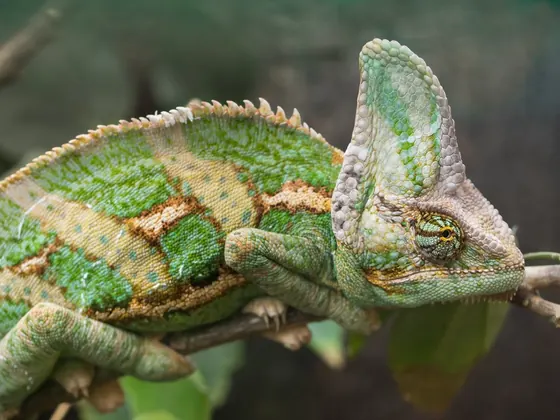
Iguana vs. Chameleon
Size, color change, eyes, tongues, feet, diet, habitat and care compared side by side.
Read Guide →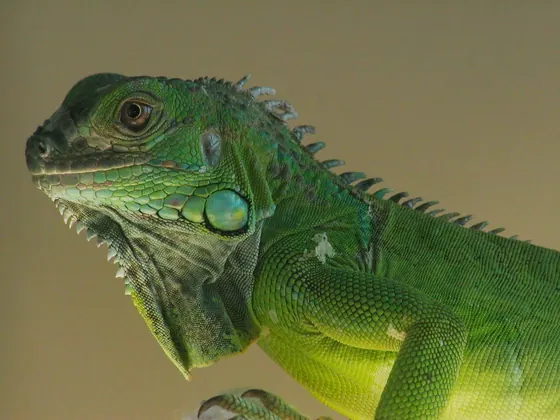
Iguana Classification and Evolution
Scientific names, the iguana family tree, how iguanas evolved and their real connection to dinosaurs.
Read Guide →Quick Answer
- Iguanas are reptiles and lizards in the family Iguanidae, native mainly to the Americas.
- Green iguanas commonly grow 4–6 feet long and can live up to about 19 years or more in captivity.
- Most iguanas are herbivores that eat leaves, flowers and fruit.
- They have a light-sensing "third eye" on top of the head, can drop their tails to escape predators and are strong swimmers.
What Is an Iguana?
An iguana is a lizard in the family Iguanidae. Like all lizards, iguanas are reptiles: cold-blooded vertebrates with scaly skin that lay eggs. The word "iguana" comes from iwana, a word in the language of the Taíno people of the Caribbean. Most of the time, "iguana" refers to the green iguana, Iguana iguana, but the family also includes rock iguanas, spiny-tailed iguanas, the Galápagos marine and land iguanas, Fiji iguanas and the desert iguana. See types of iguanas.
Iguana Facts at a Glance
| Fact | Green iguana |
|---|---|
| Animal type | Reptile (lizard) |
| Scientific name | Iguana iguana |
| Size | Commonly 4–6 ft including tail |
| Weight | Males up to about 17 lb |
| Lifespan | Up to about 10 years wild; 19+ in captivity |
| Diet | Herbivore |
| Eggs | About 14–76 per clutch |
| Native range | Central and South America, Caribbean |
Iguana Body Facts
- Third eye: iguanas have a parietal eye, a small light-sensitive spot on top of the head that helps them detect light and movement from above. See iguana third eye.
- Excellent vision: iguanas see color and ultraviolet light and can spot movement at a distance.
- Visible ear openings: iguanas have an eardrum just behind the eye, with a large round scale, the subtympanic shield, below it on green iguanas.
- Replaceable teeth: rows of small, serrated teeth are replaced throughout life. See do iguanas bite?
- Dewlap: the flap of skin under the chin is used in displays and helps with temperature regulation.
- Long tail: the tail makes up more than half of a green iguana's length and is used for balance, swimming and defense.
- Femoral pores: pores on the inner thighs, larger in males, produce scent-marking secretions. See male vs. female iguanas.
Iguana Behavior Facts
- Sun lovers: iguanas bask to warm up because they cannot make their own body heat.
- Strong swimmers: green iguanas often escape predators by dropping into water. See where iguanas live.
- Fall survivors: green iguanas are often reported to survive falls from heights of 40 feet or more.
- Head bobbing: iguanas communicate with head bobs, dewlap displays and posture. See iguana body language.
- Tail dropping: iguanas can drop part of the tail to escape; it can regrow, but differently. See do iguana tails grow back?
- Cold sensitivity: in cold snaps, wild iguanas in Florida can be stunned and fall from trees. See falling iguanas.
Diet and Life Cycle Facts
- Most iguanas are herbivores, and green iguanas rely on gut microbes to digest tough plant material. See what iguanas eat.
- Female green iguanas dig nests and may lay dozens of eggs, but they do not care for the young. See iguana eggs.
- Hatchlings are bright green and grow fastest in their first few years. See how big iguanas get.
- Males often turn orange during the breeding season. See iguana colors.
- Rock iguanas are among the longest-lived lizards, with a blue iguana reaching about 69 years. See iguana lifespan.
Surprising Iguana Facts
- The marine iguana is the only lizard that feeds in the sea and sneezes out excess salt.
- Marine iguanas can shrink in body length during food shortages.
- The black spiny-tailed iguana is often cited as the fastest-running lizard, at around 21 mph.
- Iguanas live in Fiji, thousands of miles from the Americas. See Fiji banded iguana.
- A pink iguana species lives only on one volcano in the Galápagos. See Galápagos land iguanas.
- In parts of Latin America, iguana is eaten and nicknamed "chicken of the tree." See can you eat iguana?
Quick Iguana Facts for Kids
- Iguanas are lizards, and lizards are reptiles.
- Green iguanas can grow longer than most kids are tall, up to about 6 feet including the tail.
- Most iguanas eat only plants, like leaves, flowers and fruit.
- Iguanas have a tiny "third eye" on top of their heads that senses light.
- Iguanas lay eggs in underground nests.
- Iguanas are great swimmers and use their tails like paddles.
- Some iguanas can drop their tails to escape, and the tail can grow back.
- Marine iguanas swim in the ocean and sneeze out salt.
- Iguanas warm up by lying in the sun.
- Always wash your hands after touching an iguana or anything in its home.
Iguana Records
| Record | Iguana |
|---|---|
| Longest-lived | Grand Cayman blue iguana, about 69 years (captive) |
| Fastest runner | Black spiny-tailed iguana, often cited at about 21 mph |
| Only sea-feeding lizard | Marine iguana |
| Rarest | Contenders include the pink iguana, with estimates of only several hundred left |
| Most widespread | Green iguana |
| Farthest from the Americas | Fiji iguanas |
Iguanas and People
Iguanas have been eaten, kept and admired for centuries. Today, green iguanas are popular but demanding pets and an invasive species in places like Florida and Puerto Rico, while many island iguanas are among the most endangered reptiles on Earth. Our guides on iguanas as pets, iguanas in Florida and rock iguana conservation cover each side of the story.
How Iguanas Stay Warm
Because iguanas are ectotherms, they control their body temperature through behavior. In the morning they bask in the sun, often turning their bodies to catch the most light, and darken their skin to absorb heat. Once warm, they become active, eat and digest. When too hot, they move into shade, pant with an open mouth or lighten their color. This is why pet iguanas need a basking lamp and a cooler area, as explained in our temperature guide.
Iguana Senses
| Sense | What iguanas can do |
|---|---|
| Sight | Sharp color vision, including ultraviolet; good at spotting movement |
| Parietal eye | Detects changes in light and shadows from above, such as a passing bird of prey |
| Hearing | Can hear, with external eardrums behind the eyes |
| Smell and taste | Flick the tongue to sample scents, using an organ in the roof of the mouth |
| Touch | Sensitive to touch, especially around the head |
What Eats Iguanas?
Iguanas have many predators, especially when young. Eggs and hatchlings are eaten by birds, snakes, raccoons, opossums and other mammals, while adults may be taken by birds of prey, large snakes such as boas, wild cats, crocodilians and people, who hunt iguanas for food in parts of their range. In Florida, raccoons, wading birds, birds of prey, cats and dogs prey on young iguanas, but few predators regularly eat adults.
How Fast Can Iguanas Run?
Iguanas can move surprisingly fast over short distances when escaping danger, sprinting to cover or diving into water. Green iguanas are quick but are not the fastest; that title often goes to their relative, the black spiny-tailed iguana, cited at about 21 mph. Iguanas tire quickly and rely more on climbing, swimming and hiding than on long chases.
Are Iguanas Smart?
Iguanas learn routines, such as feeding times, and many become calmer with familiar people, though iguana-specific research is limited. See are iguanas smart? for what lizard cognition studies actually show.
Frequently Asked Questions
Is an Iguana a Reptile?
Yes. Iguanas are reptiles, specifically lizards in the family Iguanidae. See iguana classification.
Is an Iguana a Lizard?
Yes. All iguanas are lizards, though not all lizards are iguanas.
Are Iguanas Cold-Blooded?
Yes. Iguanas are ectotherms that rely on the sun and their surroundings for body heat.
How Many Eyes Do Iguanas Have?
Two true eyes plus a parietal eye on top of the head, a light-sensitive organ often called the third eye.
Are Iguanas Dinosaurs?
No. Iguanas are lizards, while dinosaurs belong to a separate reptile branch whose living members are birds. See iguana classification and evolution.
Sources: Florida Fish and Wildlife Conservation Commission, Green Iguana; SeaWorld, Green Iguana; Vetstreet, Top 10 Fun Facts About Iguanas.