Quick Answer
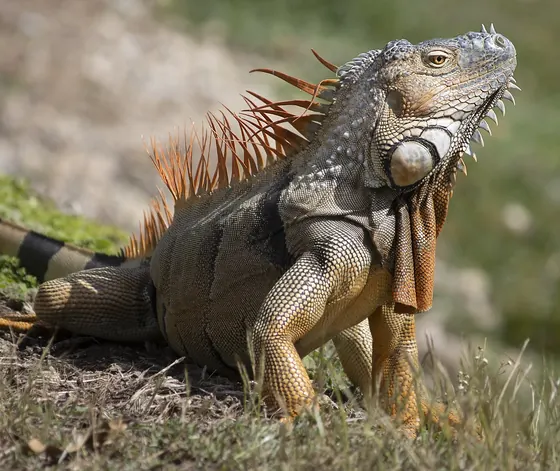
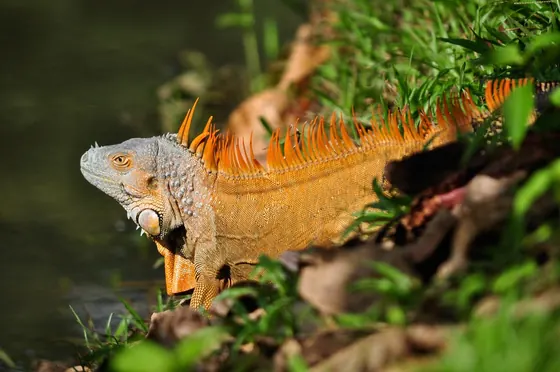
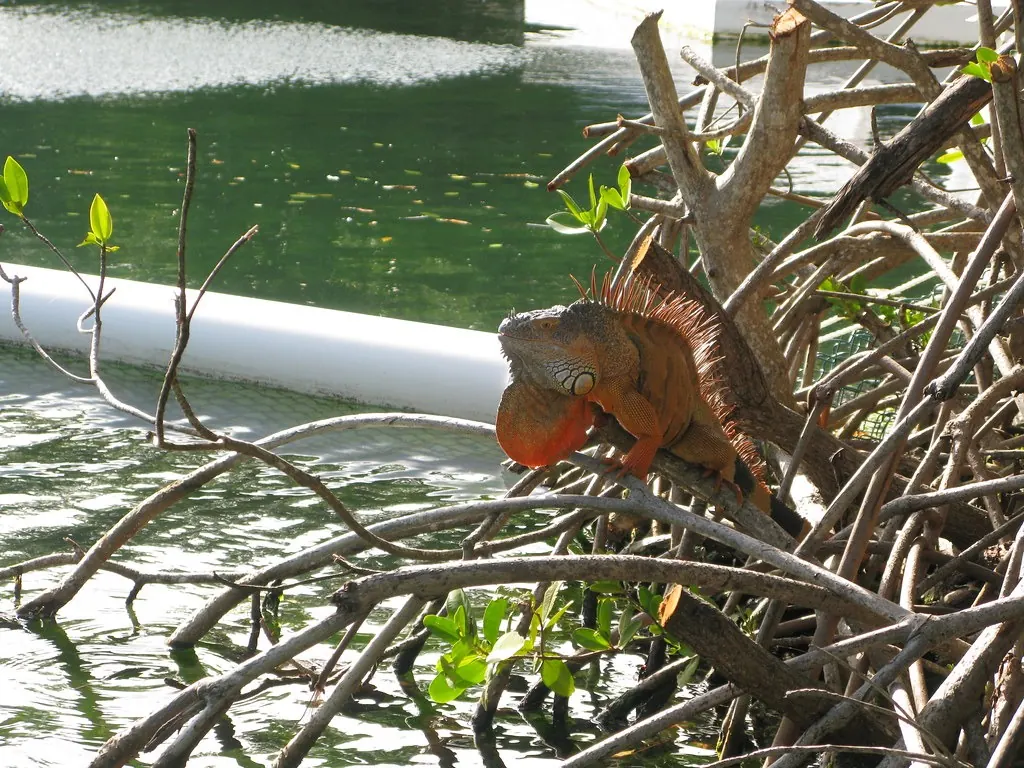
- Mature iguanas go through a yearly breeding season driven by hormones. In their native range, green iguanas mate around October to November; in South Florida, males show breeding colors from late fall into spring.
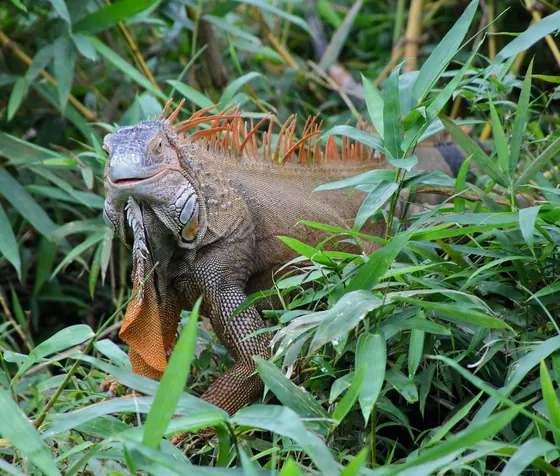
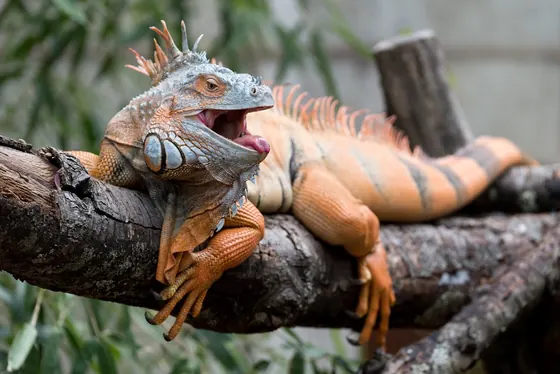
- Males often turn orange, bob their heads more, become territorial and may bite or attack, even owners they normally accept.
- Females may become restless, eat less and dig as they develop eggs, even without a male.
- The season usually lasts weeks to a few months. Handle less, give space and talk to a reptile vet if aggression is severe.
What Is the Iguana Breeding Season?
Once green iguanas mature, usually at about two to four years old, their bodies cycle through a breeding season each year. Hormonal changes affect behavior, color and appetite. The Florida Fish and Wildlife Conservation Commission notes that in their native range, green iguanas mate in October and November. In Florida, people commonly notice bright orange breeding males from late fall into early spring.
Pet iguanas also go through this season, although timing can shift with indoor lighting, temperatures and the individual animal. Many keepers notice the season starts around the same time each year for their iguana.
Signs of Breeding Season in Male Iguanas
| Sign | What you may notice |
|---|---|
| Color change | Orange or reddish tones, especially on the legs, jowls and body |
| More head bobbing | Frequent, intense bobs and shudder bobs |
| Territoriality | Guarding the enclosure, basking spot or room |
| Aggression | Charging, biting, tail whipping, puffing up, even toward familiar people |
| Femoral pores | Pores on the inner thighs become larger and produce more waxy secretion |
| Reduced appetite | Eating less for days or weeks |
| Restlessness | Pacing, trying to escape, scratching at enclosure walls |
| Mating behavior | Mounting objects or other animals; small waxy plugs passed from the vent |
See iguana colors for more on breeding-season orange and iguana body language for bobbing signals.
Signs of Breeding Season in Female Iguanas
- Restlessness and pacing
- Increased appetite as eggs begin to develop, followed by eating less as laying approaches
- A fuller, rounder belly
- Digging and searching for a nest site
- More basking
Females can develop and lay eggs without a male. Provide a nest box and extra calcium as your vet advises. See iguana eggs for signs of egg-binding, which is an emergency.
How Long Does Breeding Season Last?
For most pet iguanas, the most intense behavior lasts several weeks to a few months each year. It may be milder in some individuals and very pronounced in others, particularly large, mature males. Behavior usually returns to normal as hormone levels fall.
Why Breeding-Season Iguanas Become Aggressive
Rising hormones, especially testosterone in males, drive iguanas to defend territory and compete for mates. In the wild, males fight rivals and display to females. In a home, a male may treat people, other pets or even his reflection as rivals. This aggression is natural, not a sign that the iguana is "bad," but it can cause serious bites, scratches and tail whips.
How to Handle Breeding-Season Aggression
- Reduce handling. Handle only when necessary, such as for cleaning or health checks.
- Give space. Approach slowly, from the side, and watch for warning signals.
- Protect yourself. Wear long sleeves and gloves when you must handle him, and keep your face away from the tail.
- Use barriers. Clean the enclosure while the iguana is in a secure temporary space.
- Remove triggers. Block reflections and keep other iguanas out of view.
- Keep children and pets away from the iguana during this time.
- Do not punish. It increases fear and defensiveness.
- Maintain good husbandry. Keep feeding, heat, UVB and humidity consistent.
If your iguana's aggression is severe or dangerous, talk to a reptile veterinarian. Some vets discuss neutering (castration) for males; a veterinary study found it lowered testosterone, but results on behavior vary between individuals, and it is not a guaranteed fix.
Housing Iguanas Together in Breeding Season
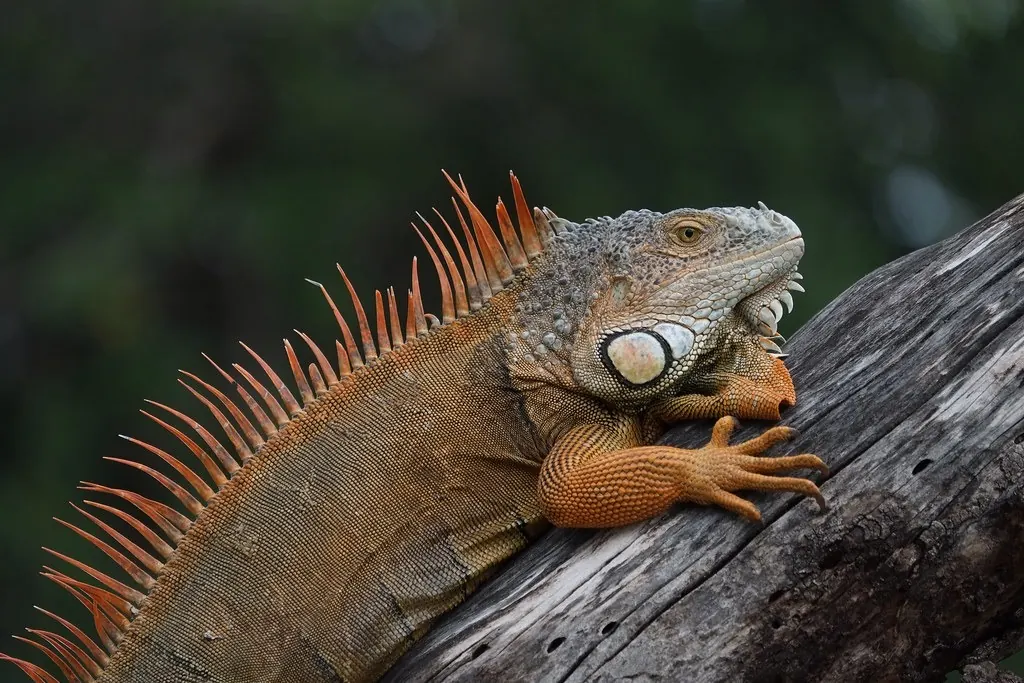
Iguanas are best kept alone. Two males in one enclosure can fight seriously during breeding season, and a male and female housed together may breed or the male may injure the female. If you do keep more than one iguana, provide separate enclosures, especially during this time.
Breeding Season Care Checklist
| Need | What to do |
|---|---|
| Appetite drop | Keep offering fresh food daily; weigh weekly. See a vet if weight loss is significant or the iguana stops eating entirely for an extended time. |
| Hydration | Offer regular soaks and keep humidity up, since iguanas may drink and eat less |
| Restlessness | Check enclosure security; restless iguanas test doors and lids |
| Femoral pores | Waxy plugs are normal; see a vet if pores look red, swollen or infected |
| Females | Provide a nest box and calcium as advised; watch for egg-binding signs |
| Safety | Minimize handling, keep visitors and children away, wear protection when necessary |
Breeding Season Myths
- "An aggressive iguana is permanently ruined." Breeding-season aggression usually fades as the season ends. Calm, consistent care afterward helps rebuild trust.
- "Females don't go through breeding season." They do. Mature females develop eggs each year, with or without a male.
- "Giving the iguana a mate will calm it down." It usually adds risks: injuries, fights and large clutches of eggs.
- "Punishing aggression stops it." It increases fear and defensiveness.
After Breeding Season
When the season ends, most iguanas gradually become calmer, eat normally again and regain weight. Resume normal handling slowly, rebuilding trust with short, positive sessions. Book a vet check if your iguana lost a lot of weight, if a female did not lay all her eggs, or if femoral pores or the vent look abnormal.
Breeding Iguanas
Breeding green iguanas is not recommended for most owners. Females can lay dozens of eggs, hatchlings are hard to rehome, and many adult iguanas already need homes. In Florida, green iguanas are a prohibited species, and keeping or breeding live iguanas requires a permit. See iguanas in Florida.
Breeding Season in Wild Florida Iguanas
In South Florida, breeding season is when bright orange males become highly visible on seawalls, canals and trees, displaying to females and rivals. Females then dig nests in sandy areas such as canal banks and beaches, sometimes damaging property. See how to get rid of iguanas for prevention.
Frequently Asked Questions
When Is Iguana Breeding Season?
In their native range, green iguanas mate around October and November. In South Florida, breeding colors are commonly seen from late fall into early spring. Pet iguanas vary.
Why Is My Male Iguana Suddenly Aggressive?
Breeding-season hormones commonly make males territorial and aggressive for weeks to months. Handle less and give him space.
Do Female Iguanas Get Aggressive in Breeding Season?
Some do, but they more often become restless, dig and eat less while developing eggs.
Does Neutering Stop Iguana Aggression?
It can lower testosterone, but behavior results vary. Discuss the pros and cons with a reptile veterinarian.
Sources: Melissa Kaplan, Breeding Season and Breeding Aggression; Florida Fish and Wildlife Conservation Commission, Green Iguana; VIN, Changes in Plasma Testosterone and Aggressive Behavior in Male Green Iguanas Following Orchidectomy.