
Iguana Care Guide (2026): What Your Iguana Really Needs
Enclosure, lighting, heat, humidity, diet and handling, the essentials of keeping a healthy pet iguana.
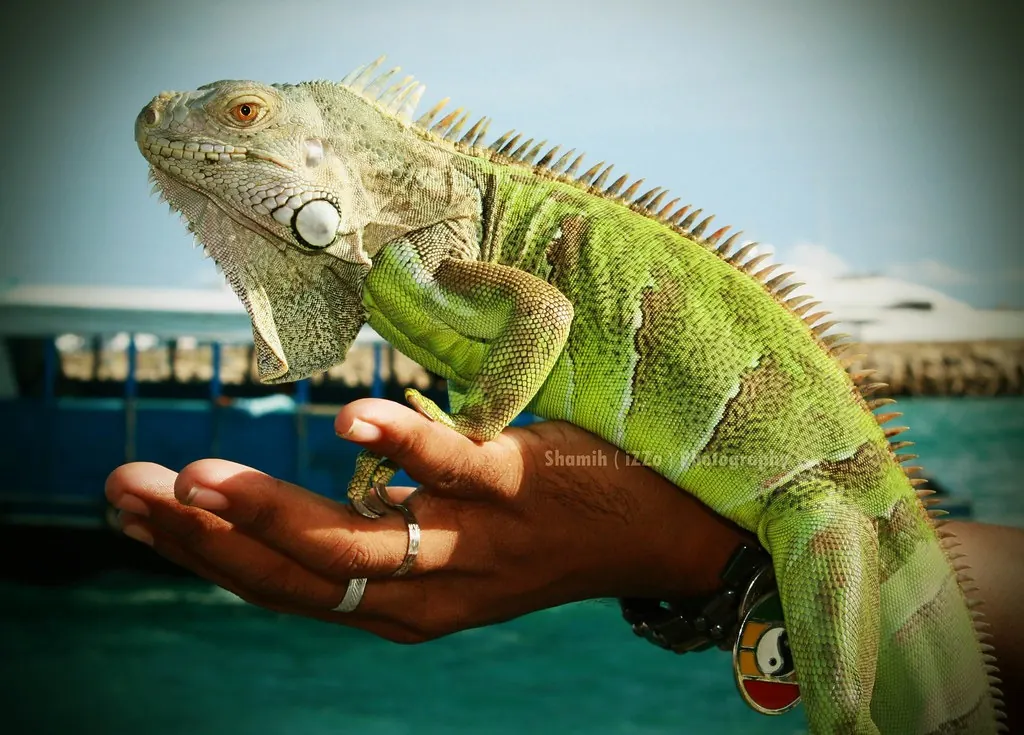
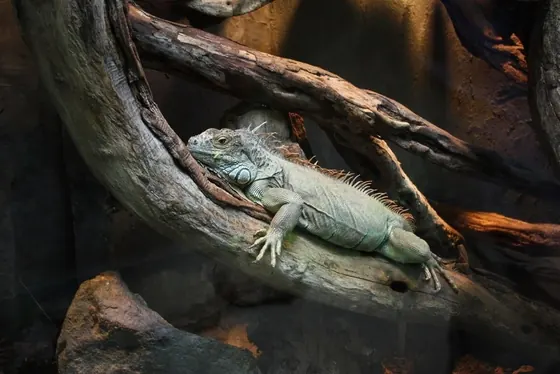
Iguana Enclosure Setup
Enclosure size by age, the best enclosure types, substrate, furnishings and the most common setup mistakes.
Read Guide →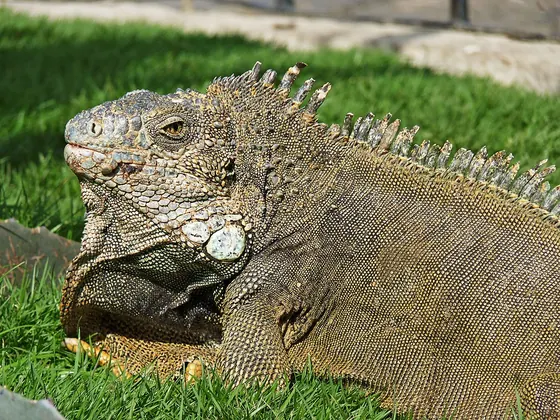
Iguana Lighting and UVB
UVB tubes, basking bulbs, night heat, photoperiod and replacement schedules for pet iguanas.
Read Guide →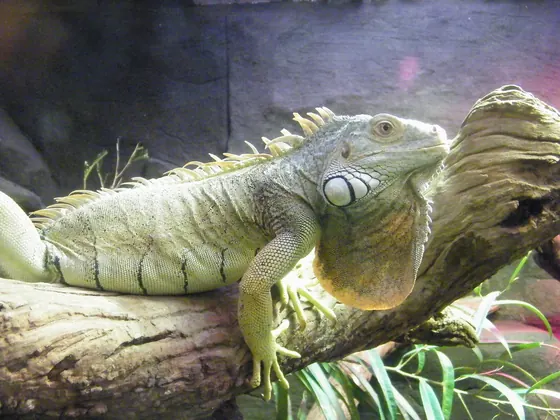
Iguana Temperature and Humidity
Basking, ambient and night temperatures, target humidity and the tools to measure and control them.
Read Guide →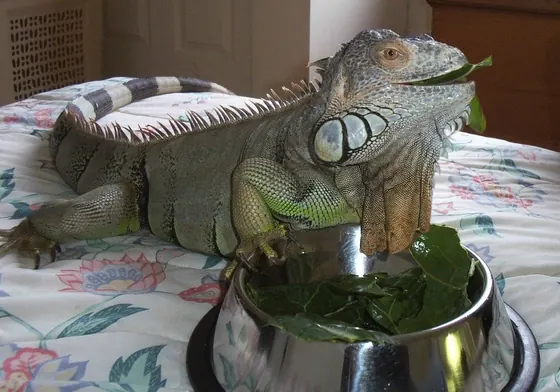
What Do Iguanas Eat?
Diet proportions, feeding schedules, supplements and how to prepare an iguana's daily salad.
Read Guide →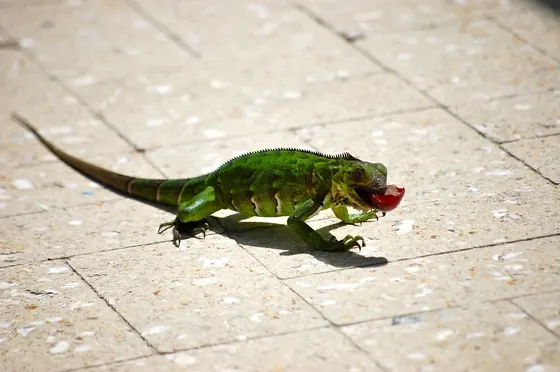
Iguana Food List
Staple greens, vegetables, fruits, flowers and the foods that should never go in an iguana's bowl.
Read Guide →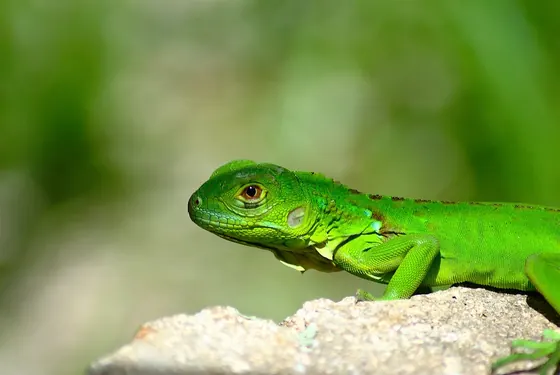
Baby Iguana Care
Choosing a healthy hatchling, the first enclosure, feeding, handling and warning signs.
Read Guide →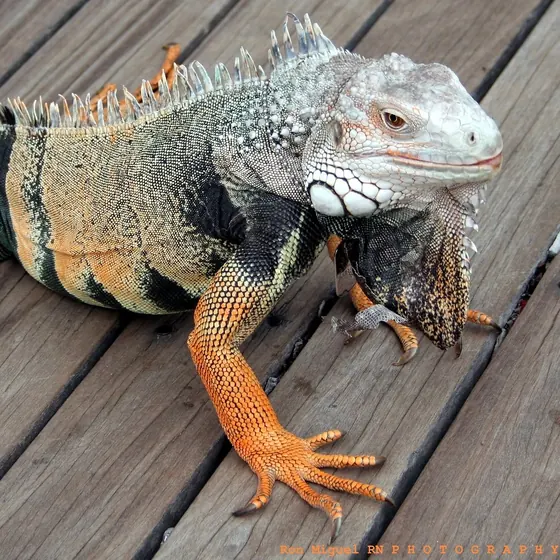
Iguana Shedding
Shedding frequency, normal shed behavior, stuck shed on toes and tail and how to help safely.
Read Guide →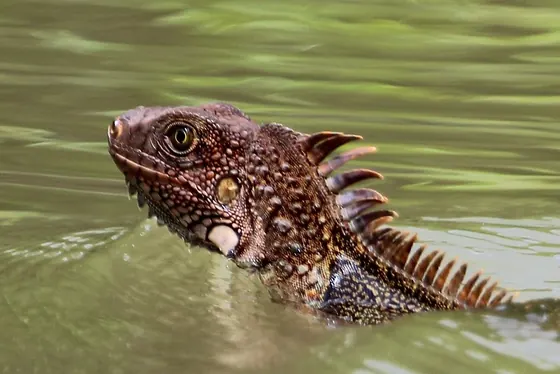
How to Bathe an Iguana
Water temperature, depth, timing, cleanup and the safety rules for iguana baths.
Read Guide →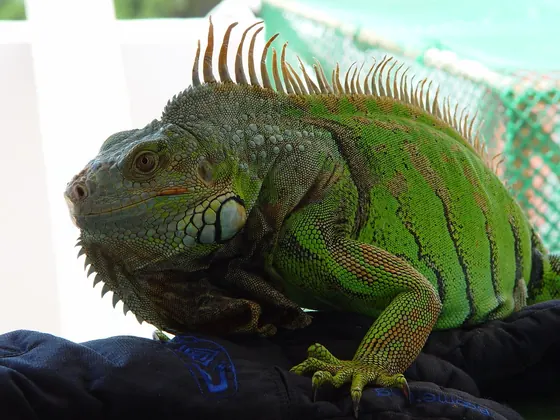
How to Tame an Iguana
A step-by-step plan for building trust, safe handling and dealing with defensive iguanas.
Read Guide →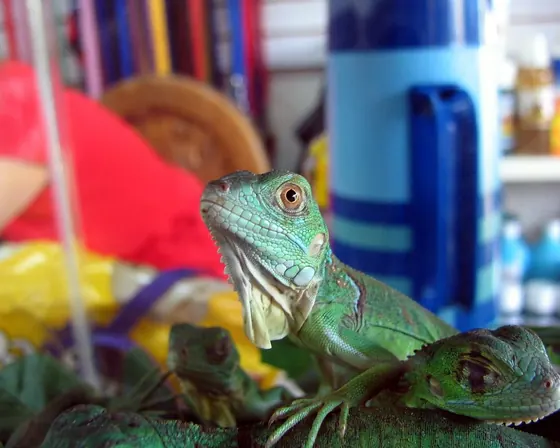
Iguana Cost
Purchase price, setup costs, monthly expenses and the long-term budget for a pet iguana.
Read Guide →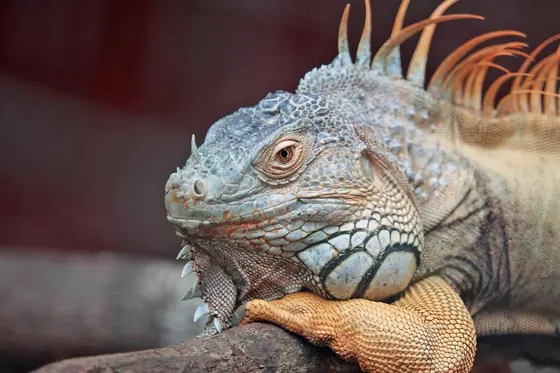
Are Iguanas Good Pets?
Size, lifespan, cost, temperament and health risks, weighed honestly before you buy.
Read Guide →Quick Answer: Pet Iguana Care Checklist
- Enclosure: tall and large; adults commonly need about 6–12 ft long and 6+ ft tall.
- UVB: a strong linear UVB tube, about 12 hours a day, replaced on schedule.
- Heat: basking surface about 95–100°F, cooler zone about 75–80°F, nights about 70–80°F.
- Humidity: about 70% or higher.
- Diet: mostly calcium-rich leafy greens, other vegetables and a little fruit; no insects or meat.
- Routine: daily food and water, spot cleaning and handling; regular soaks; yearly vet checks.
How to Care for a Pet Iguana
Green iguanas can be rewarding pets, but they are among the more demanding reptiles to keep. They grow large, live for many years and depend completely on their keeper for heat, light, humidity and a fresh plant diet. Most health problems in pet iguanas, including metabolic bone disease, poor appetite and stuck shed, come from gaps in these basics. This guide summarizes everything an iguana needs and links to detailed guides on each topic.
If you do not have an iguana yet, read are iguanas good pets? and our iguana cost guide first. In Florida, green iguanas are a prohibited species and cannot be newly acquired as pets.
Step 1: Set Up the Enclosure
The enclosure is the foundation of iguana care. Green iguanas are tree-dwellers that need height, wide basking shelves and room to move between warm and cool zones. A common sizing rule from reptile educator Melissa Kaplan is to make the enclosure at least 1.5 to 2 times the iguana's total length, 1 to 1.5 times its length in height and 0.5 to 1 times its length in depth. For a typical 5-foot adult, that means roughly 7.5–10 feet long and 5–7.5 feet tall.
- Hatchlings can start in an enclosure around 4 × 2 × 3 feet, but plan for the adult setup early.
- Furnish with a wide basking shelf near the top, sturdy horizontal branches, hides and a large water dish.
- Use a safe, easy-clean floor such as paper, tile or vinyl. Avoid sand and small bark chips.
Full details: iguana enclosure setup.
Step 2: Provide UVB Lighting
Iguanas need ultraviolet B (UVB) light to make vitamin D3 and absorb calcium. Without it, they develop metabolic bone disease even on a good diet. Most keepers use a long linear T5 high-output UVB tube across the top of the enclosure, positioned at the manufacturer's recommended distance from the basking shelf, with no glass or plastic in between. Run lights about 12 hours a day on a timer, and replace UVB tubes on schedule, often every 6 to 12 months depending on the type.
Full details: iguana UVB and heat lamps.
Step 3: Get Temperatures and Humidity Right
| Setting | Target |
|---|---|
| Basking surface | About 95–100°F (35–38°C) |
| Warm daytime air | About 85–90°F (29–32°C) |
| Cool zone | About 75–80°F (24–27°C) |
| Night | About 70–80°F (21–27°C), no lights |
| Humidity | About 70% or higher |
Use thermostats on all heat sources, measure with digital thermometers and an infrared temperature gun, and check humidity with a digital hygrometer. Full details: iguana temperature and humidity.
Step 4: Feed a Healthy Plant Diet
Green iguanas are herbivores. VCA Animal Hospitals recommends that most of the diet be dark leafy greens, with calcium-rich greens such as collard, turnip, mustard and dandelion greens making up a large share, other vegetables such as squash, green beans and bell peppers adding variety, and fruit kept to a small amount. Chop everything finely, feed young iguanas daily and adults daily or every other day, and use a calcium supplement on your vet's schedule.
Avoid insects, meat, eggs, dog or cat food, avocado and rhubarb. Full details: what iguanas eat and the iguana food list.
Step 5: Build a Daily Routine
| How often | Tasks |
|---|---|
| Daily | Fresh salad (juveniles daily; adults daily or every other day), change water, remove droppings and leftovers, check temperatures and humidity, short handling session |
| Several times a week | Warm soaks, misting, calcium dusting as advised |
| Weekly | Disinfect dishes, shelves and floor; check equipment |
| Monthly | Deep clean the enclosure; check weight and nails |
| Every 6–12 months | Replace UVB tubes per manufacturer |
| Yearly | Wellness exam with a reptile veterinarian |
Step 6: Handle and Tame Gently
Iguanas are not naturally affectionate, but most become calmer with patient, consistent handling. Let a new iguana settle for one to two weeks, then progress from sitting nearby to hand-feeding, gentle touch and short handling sessions. Approach from the side, support the body and never lift an iguana by its tail. Expect setbacks during shedding and the breeding season.
Full details: how to tame an iguana, iguana body language and do iguanas bite?
Step 7: Support Shedding and Hydration
Iguanas shed in patches. Good humidity, regular warm soaks and rough branches to rub against help sheds come off naturally. Check toes and the tail tip after each shed for stuck skin. Bath water of about 85–90°F for 15 to 30 minutes, always supervised, supports both hydration and shedding.
Full details: iguana shedding and how to bathe an iguana.
Step 8: Protect Your Iguana's Health
Iguanas hide illness, so learn the warning signs: not eating, weight loss, lethargy, swollen limbs or jaw, discharge, abnormal droppings and repeated stuck shed. Book a check-up soon after getting an iguana and then yearly. Wash your hands after handling, because reptiles commonly carry Salmonella.
Health guides: signs of a sick iguana, metabolic bone disease, mites, iguana eggs and Salmonella.
Setting Up for a New Iguana: First Week
| When | What to do |
|---|---|
| Before arrival | Set up and run the enclosure for several days; confirm temperatures, humidity, UVB and the light timer |
| Day 1 | Place the iguana inside, offer food and water, and leave it in a quiet room |
| Days 2–7 | Offer fresh food daily, spot clean, watch from a distance and avoid handling |
| First 1–2 weeks | Book a check-up with a reptile vet, including a fecal test |
| After 1–2 weeks | Begin short taming sessions if the iguana is eating well |
Seasonal Care
- Winter: home heating dries the air and rooms cool at night. Check humidity and night temperatures more often. Mature males may enter breeding season.
- Spring: females may develop eggs; provide a nest box and calcium. Watch for egg-binding.
- Summer: enclosures can overheat. Make sure thermostats work and the cool zone stays cool. Supervised outdoor time in a secure mesh enclosure gives natural sunlight, but never use a glass tank outdoors.
- Fall: replace UVB tubes if due and schedule the yearly vet check before breeding season.
Free Roaming and Time Outside the Enclosure
Supervised time in an iguana-proofed room can add exercise and enrichment, but most of the iguana's time should be in an enclosure with proper heat, UVB and humidity. Free-roaming iguanas face hazards such as electrical cords, toxic houseplants, other pets and falls, and spread droppings, which can carry Salmonella, through the home.
Traveling and Pet Sitting
Few pet sitters or boarding facilities care for large reptiles, so plan ahead. Leave written instructions covering feeding, temperatures, misting, handling and your vet's contact details, and have a backup plan for power outages. Automatic timers and thermostats make care easier for a sitter.
Care by Life Stage
| Stage | Care priorities |
|---|---|
| Hatchling (0–6 months) | Secure enclosure with cover, daily finely chopped food, strong UVB, frequent calcium, minimal handling at first. See baby iguana care. |
| Juvenile (6 months–2 years) | Rapid growth, frequent sheds, enclosure upgrades, daily taming |
| Subadult (2–4 years) | Move toward adult enclosure; sexual maturity; first breeding seasons |
| Adult (4+ years) | Full-size enclosure, steady diet, breeding-season management, egg care for females |
| Senior | Easier basking access, closer health monitoring, more frequent vet checks |
Iguana Supplies Checklist
- Enclosure sized for the current stage, with a plan for the adult enclosure
- Linear UVB tube, fixture and reflector
- Basking heat lamps with guards and a dimming thermostat
- Ceramic heat emitter with thermostat, if nights get cold
- Digital thermometers, infrared temperature gun and hygrometer
- Plug-in timer for lights
- Basking shelf, branches, hides and plants
- Water dish and a large soaking tub
- Calcium and multivitamin supplements
- Paper or other easy-clean substrate and reptile-safe disinfectant
- Contact details for a reptile veterinarian
Most Common Iguana Care Mistakes
- Housing an iguana in a small tank with no plan to upgrade
- Using weak, old or glass-blocked UVB
- Feeding mostly lettuce, fruit, insects or pet food
- Keeping the enclosure too cool or too dry
- Running heat lamps without a thermostat or guards
- Grabbing the iguana from above or by its tail
- Skipping vet checks until the iguana is obviously sick
- Letting the iguana roam the house unsupervised
Frequently Asked Questions
Are Iguanas Hard to Take Care Of?
They are more demanding than many reptiles because they need a very large enclosure, strong UVB, high heat and humidity, and fresh food daily. With the right setup and routine, care becomes manageable.
What Does an Iguana Need in Its Tank?
A large, tall enclosure with a basking shelf, branches, hides, a water dish, safe substrate, strong UVB, thermostat-controlled heat and about 70% or higher humidity.
How Often Do You Feed an Iguana?
Young iguanas every day; adults daily or every other day, with a salad of mostly leafy greens.
How Long Do Pet Iguanas Live?
The FWC cites up to 19 years in captivity for green iguanas, and many care sources report 15 to 20 years or more with good care. See iguana lifespan.
Sources: VCA Animal Hospitals, Iguanas: Feeding; PetMD, Green Iguana Care Sheet; Melissa Kaplan, Iguana Cage Design; Chewy, Green Iguana Care Sheet.