Quick Answer
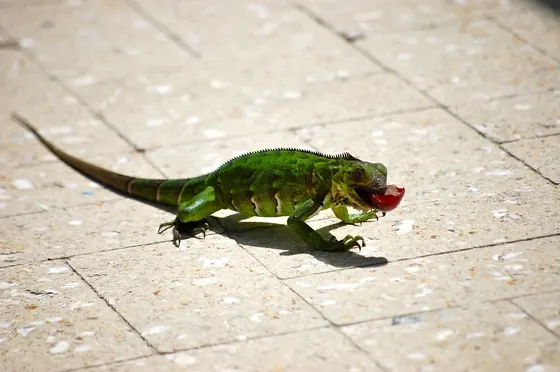
- Green iguanas are herbivores. In the wild they eat mostly leaves, plus some flowers and fruit.
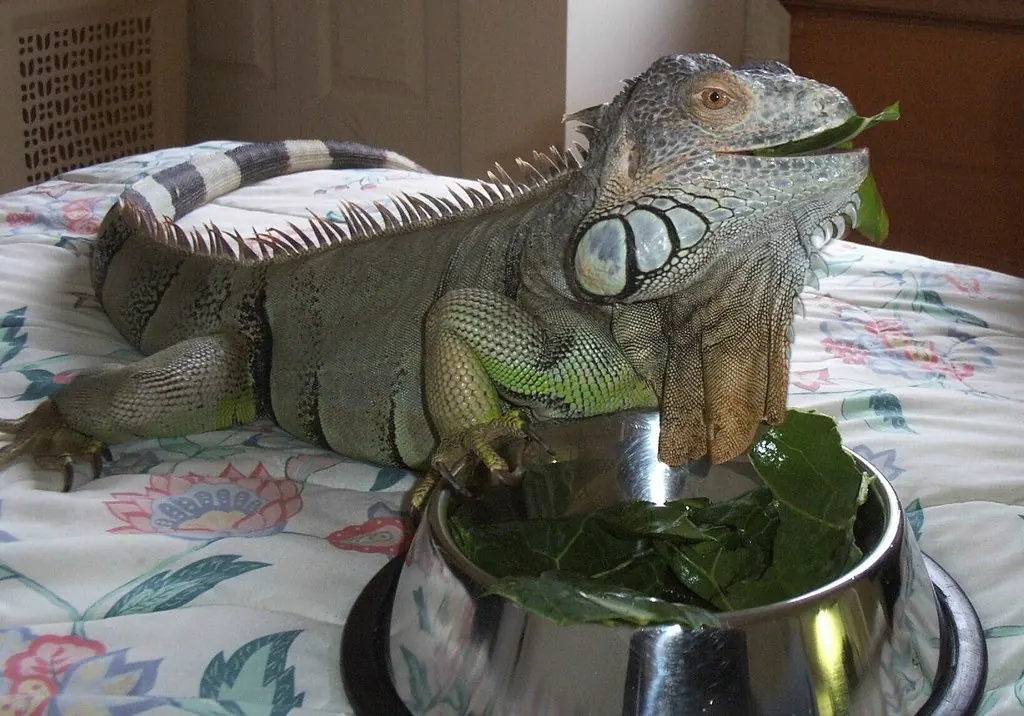
- Pet iguanas should eat mainly dark leafy greens (about 80–90 percent of the diet according to VCA Animal Hospitals), with other vegetables and only a small amount of fruit.
- Young iguanas eat daily; adults daily or every other day.
- Animal protein such as insects, eggs or dog and cat food is not part of a healthy iguana diet.
- Calcium matters. A reptile calcium supplement plus proper UVB lighting helps prevent metabolic bone disease.
What Iguanas Eat in the Wild
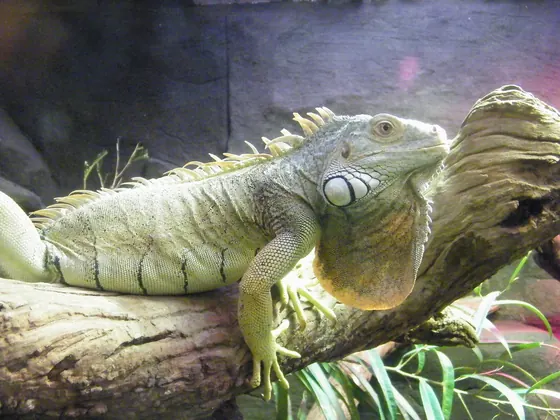
Wild green iguanas are folivores, meaning leaf-eaters. They spend much of the day in trees eating the leaves of trees and vines, with some flowers, fruit and new shoots. They are hindgut fermenters: microbes in their digestive tract ferment fibrous plant material so the iguana can absorb its nutrients. That process works best when the iguana is warm, which is why diet and temperature are closely linked.
Wild iguanas occasionally swallow insects or other animal matter by accident or opportunistically, but their bodies are built for a high-fiber plant diet. Older care advice that recommended feeding insects, meat or dog food is now considered outdated and harmful for pet iguanas.
The Ideal Pet Iguana Diet
A healthy captive diet copies the wild diet with foods you can buy: a large, varied salad of leafy greens with other vegetables and a little fruit. VCA Animal Hospitals gives this breakdown for adult green iguanas:
| Food group | Share of diet | Examples |
|---|---|---|
| Calcium-rich dark leafy greens | About 40–50% | Collard greens, turnip greens, mustard greens, dandelion greens, escarole, bok choy |
| Other vegetables | About 30–40% | Squash, green beans, bell peppers, sweet potato, parsnip, okra, carrots |
| Fruit | Under 20%, often much less | Figs, mango, papaya, berries, apple, pear |
| Commercial iguana pellets (optional) | No more than about 5–10% | Iguana-specific pelleted or canned diets |
Other care sheets use slightly different numbers, such as 70 percent leafy greens, 20 percent other vegetables and 10 percent fruit. The message is the same: greens first, vegetables second, fruit as a small topping. For the full list of foods by category, see our iguana food list.
Why Calcium Is So Important
Iguanas need more calcium than phosphorus in their diet. Many common vegetables and fruits contain more phosphorus than calcium, so the best staple greens are those with a favorable calcium-to-phosphorus balance, such as collard, turnip and mustard greens. Without enough calcium, and without UVB light to make vitamin D3, iguanas develop metabolic bone disease.
Foods to Limit
- Spinach, Swiss chard and beet greens: high in oxalates, which bind calcium. Offer only occasionally, not as a staple.
- Cabbage, kale, broccoli and other brassicas: contain goitrogens, which may affect the thyroid if fed in large amounts. Small amounts in a varied salad are generally fine.
- Iceberg lettuce and celery: mostly water with few nutrients. They are not harmful in small amounts but should not replace nutritious greens.
- Fruit: iguanas love it, but most fruit is sugary and low in calcium. Use it as a small topping.
Foods to Avoid
- Insects, mealworms, mice, eggs, meat and other animal protein for adults (VCA advises keeping animal protein under 5 percent of an adult's diet; many keepers avoid it entirely)
- Dog food, cat food and other pet foods
- Avocado, rhubarb and toxic plants
- Processed human foods, bread, dairy and sugary snacks
How Often to Feed an Iguana
| Age | Feeding frequency | Notes |
|---|---|---|
| Hatchlings and juveniles | Every day, sometimes twice a day | Growing iguanas need steady food; chop finely |
| Adults | Daily or every other day | Feeding every other or third day may suit an overweight adult |
Feed in the morning or early in the day, after the iguana has warmed up under its basking lamp, so it has the rest of the day to digest. Remove uneaten fresh food before it spoils, usually by the evening.
How to Prepare an Iguana Salad
- Wash everything to remove dirt and pesticide residue. Organic produce is a good choice when available.
- Chop or shred greens and vegetables into pieces smaller than the iguana's head. Iguanas tear and swallow food rather than chewing it. Grate hard vegetables such as squash and carrots.
- Mix thoroughly so the iguana cannot pick out only its favorite pieces.
- Top lightly with fruit or edible flowers to encourage eating.
- Dust with calcium on the days your vet recommends.
Many owners prepare a few days' worth of mixed greens and vegetables at once and keep it refrigerated. Serve it at room temperature.

Supplements: Calcium and Vitamins
Supplement needs depend on age, diet and lighting, so ask a reptile veterinarian for a plan. As a general guide from VCA Animal Hospitals:
- Young, growing iguanas: a light dusting of phosphorus-free reptile calcium powder about every other day (4–5 times a week), with a reptile multivitamin containing vitamin D about twice a week.
- Adults: a light dusting of calcium once or twice a week, with a multivitamin less often.
More is not better. Over-supplementing vitamin D3 can be harmful. Supplements also cannot replace UVB lighting. See our iguana lighting guide.
Water
Always provide fresh, clean water in a sturdy dish or soaking tub, changed daily. Many iguanas get much of their water from food and from soaking, and some drink droplets after misting. Regular soaks in shallow warm water also help with hydration, as explained in our guide on how to bathe an iguana.
Feeding Baby Iguanas
Baby iguanas eat the same kinds of food as adults, chopped very finely and offered every day. Because they grow quickly, calcium and UVB are especially important. Some veterinarians allow small amounts of plant-based protein such as cooked legumes for growing iguanas. Read our baby iguana care guide for tips on getting a new hatchling to eat.
Commercial Iguana Diets: Pros and Cons
Pelleted and canned iguana diets are convenient, and some are formulated with a balanced calcium-to-phosphorus ratio. VCA Animal Hospitals notes that many veterinarians accept commercial iguana food as up to about 5 to 10 percent of the diet. They should not replace fresh greens.
| Pros | Cons |
|---|---|
| Convenient for busy days or travel | Not a substitute for a fresh, varied diet |
| Formulated for iguanas, often with added calcium | Dry pellets can contribute to dehydration if not soaked |
| Long shelf life | Some iguanas refuse them |
If you use pellets, soak them in water first and mix them into the salad. Avoid products made for other reptiles, such as insect-eating lizards, and never use dog or cat food.
Signs of a Diet Problem
Watch for weight loss, swollen limbs, a soft or swollen jaw, trembling, lethargy or a change in droppings. These can point to calcium deficiency, dehydration or other problems that need a veterinarian. Our list of signs of a sick iguana covers what to watch for.
Frequently Asked Questions
Can Iguanas Eat Meat or Insects?
Iguanas are herbivores, and animal protein is not a healthy part of their diet. Too much protein has been linked to kidney problems. VCA advises that animal protein stay under 5 percent of an adult's diet, and many keepers avoid it altogether.
What Is the Best Food for Iguanas?
Calcium-rich dark leafy greens such as collard, turnip, mustard and dandelion greens are the best staple foods, mixed with other vegetables and a small amount of fruit.
Can Iguanas Eat Lettuce?
Romaine and other dark lettuces can be part of a varied salad, but iceberg lettuce has very little nutritional value and should not be a staple.
How Much Should an Iguana Eat?
Offer a salad roughly the size of the iguana's body and adjust based on how much it eats and whether it is gaining or losing weight. A reptile vet can check its body condition.
Do Iguanas Need Calcium Supplements?
Most veterinarians recommend a phosphorus-free reptile calcium powder, more often for growing iguanas and less often for adults, along with proper UVB lighting.
Sources: VCA Animal Hospitals, Iguanas: Feeding; PetMD, Green Iguana Care Sheet.